

Have you ever wondered how to create a stylish, handmade accessory that perfectly balances utility with personal flair? A crochet flap backpack offers the ideal solution for those who value both fashion and function in their daily carryalls.
More patterns, ideas, and inspiration for crochet lovers, all in one place.
A brief promotional video will be shown before the redirect. By continuing, you accept our Terms and Conditions.
This project features a structured silhouette, a secure top closure, and intricate stitch patterns that provide a sophisticated texture. By choosing your own yarn colors and decorative hardware, you transform a simple craft into a unique statement piece.
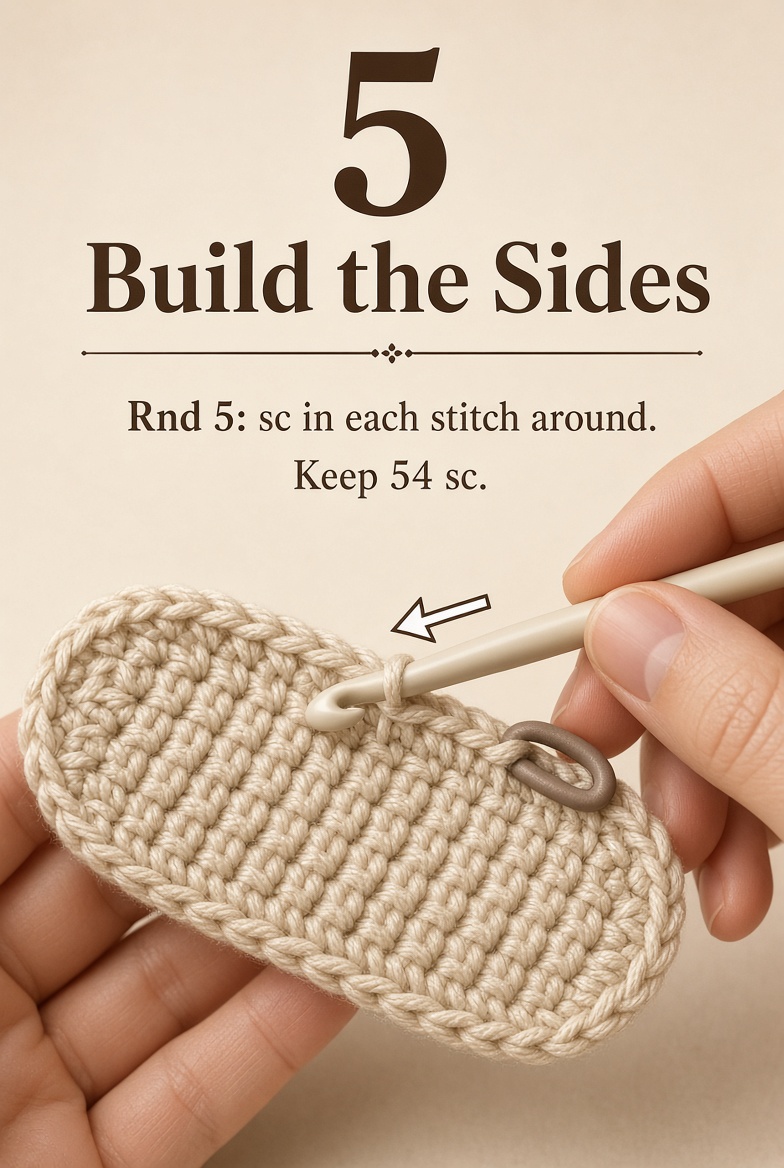
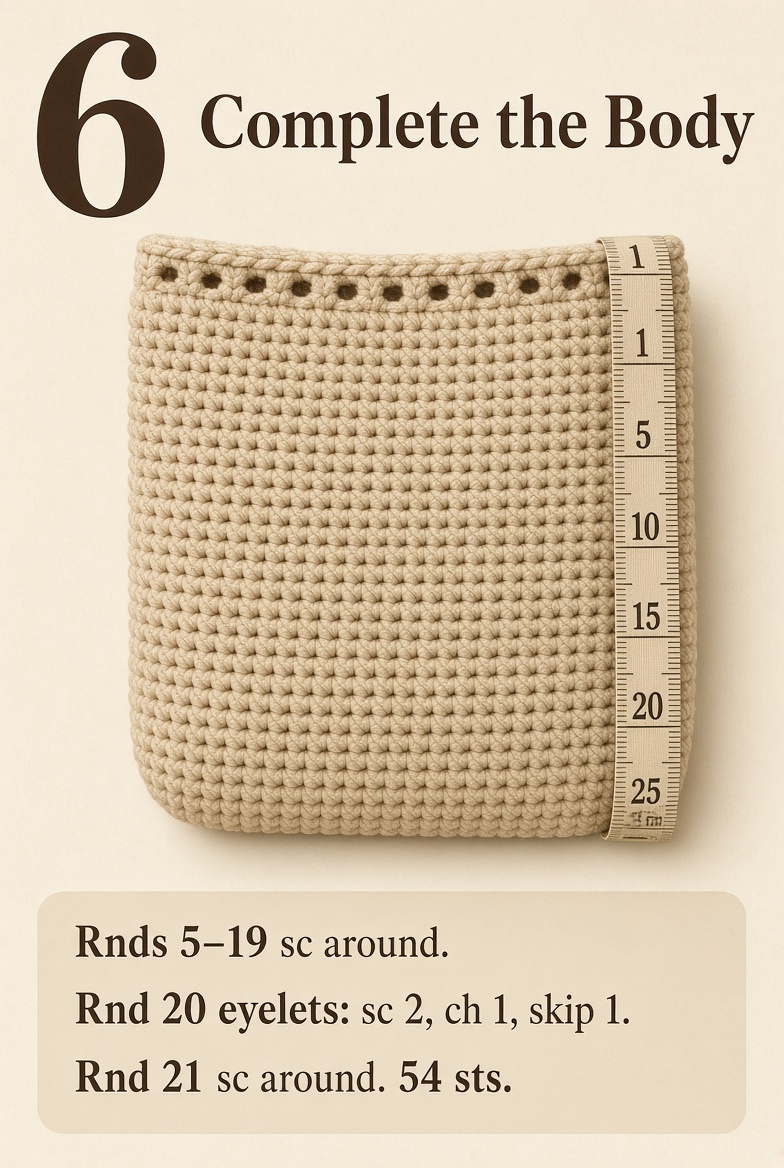
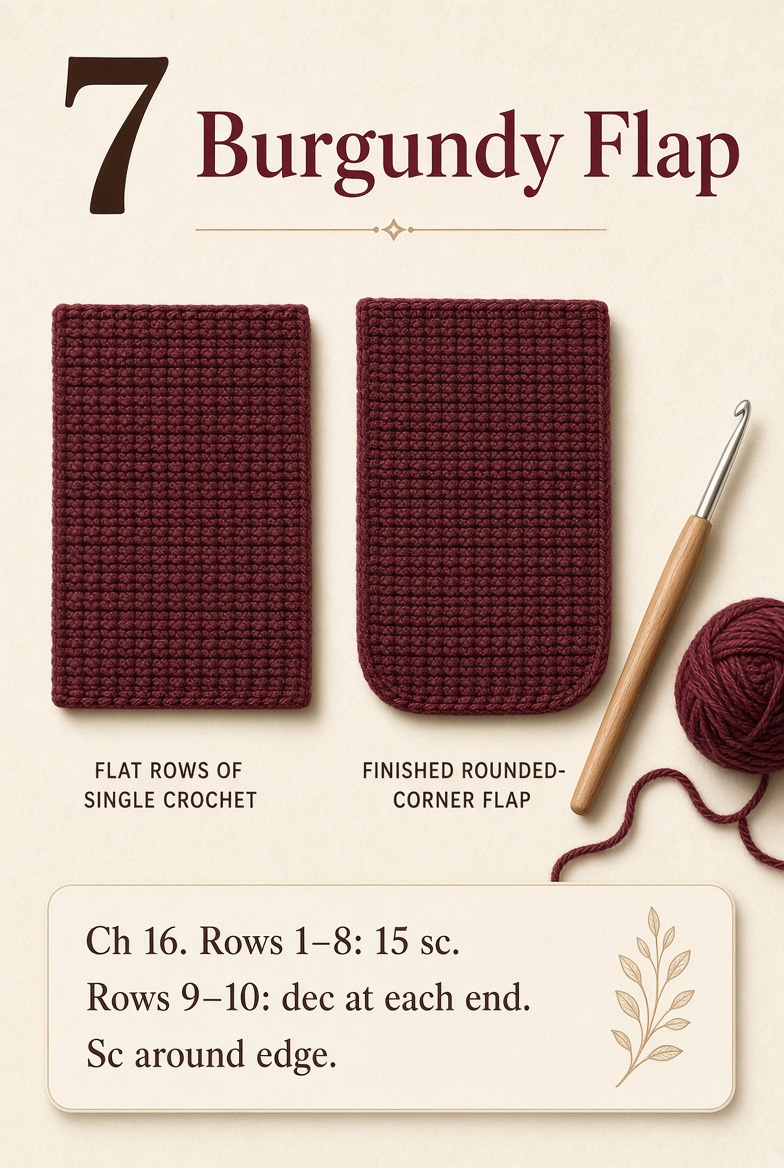
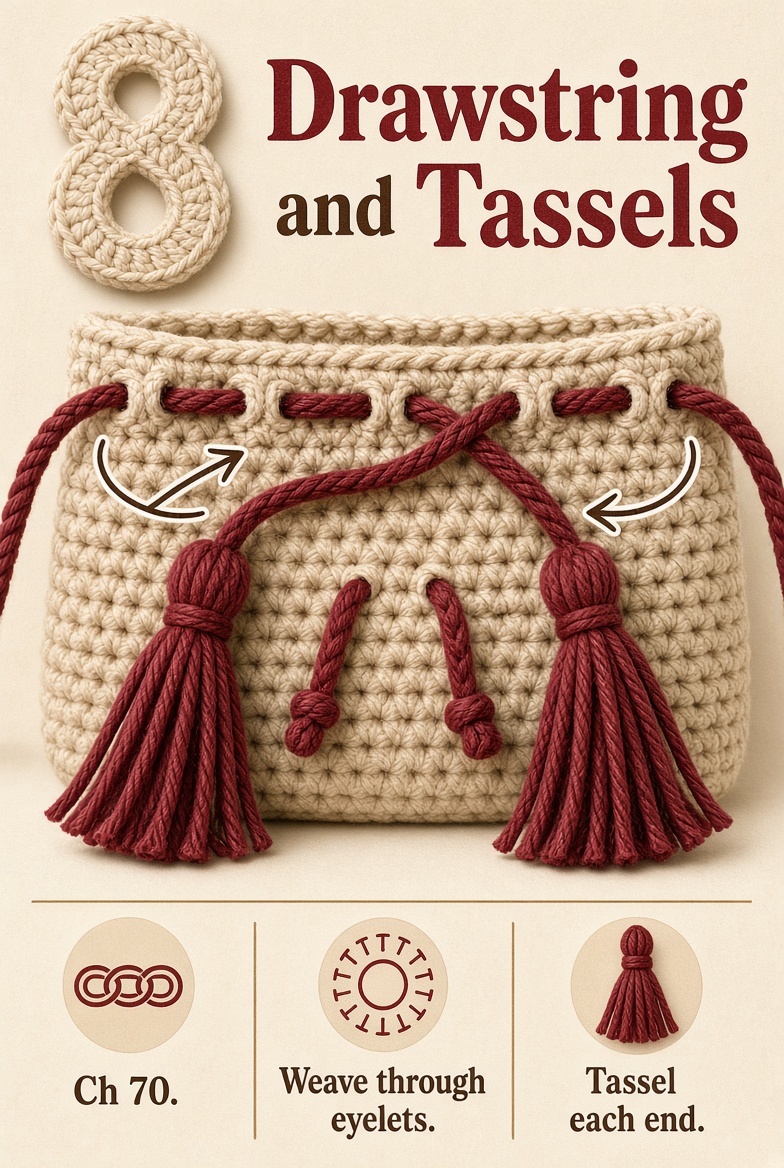
Whether you are heading to class or exploring the city, this bag keeps your essentials organized while showcasing your creative skills. This crochet backpack tutorial guides you through every step, from initial planning and construction to adding durable straps and finishing touches.
A brief promotional video will be shown before the redirect. By continuing, you accept our Terms and Conditions.
- Learn to construct a durable and stylish bag from scratch.
- Master essential techniques for creating a secure and aesthetic top closure.
- Discover how to select the right yarn for structure and longevity.
- Follow a clear guide for attaching comfortable, functional straps.
- Customize your design with unique colors and hardware accents.
What Makes a Crochet Flap Backpack Special
The charm of a crochet flap backpack lies in its ability to marry intricate needlework with the demands of a busy lifestyle. It transforms a simple accessory into a distinctive piece of art that carries personal meaning.
Balancing Handmade Character With Everyday Practicality
A handmade crochet backpack does not have to sacrifice utility for beauty. When designed with care, these bags offer the perfect blend of creative flair and structural reliability. They provide a unique alternative to mass-produced items while remaining fully functional for errands, school, or travel.
“True craftsmanship is the bridge between the beauty of the handmade and the necessity of the everyday.”
— Anonymous
Recognizing the Backpack’s Shape, Flap, Texture, and Color
The visual identity of a crochet flap backpack is defined by its silhouette and surface details. The flap serves as both a secure closure and a canvas for decorative stitches or contrasting colors. By playing with different yarn weights and textures, makers can create a handmade crochet backpack that feels substantial and visually rich.
Color choices further enhance the bag’s personality. Whether opting for bold, modern stripes or subtle, earthy tones, the design remains a reflection of the creator’s vision. These elements work together to ensure the bag stands out in any crowd.
Choosing Features That Support Comfortable Daily Use
Comfort is essential for any bag intended for regular wear. A well-designed crochet flap backpack incorporates features like reinforced straps and a stable base to distribute weight evenly. These practical additions ensure that the bag remains comfortable and secure throughout the day.
- Ergonomic strap placement for balanced weight distribution.
- Secure closures to protect personal belongings.
- Durable stitching to maintain the bag’s shape over time.
- Thoughtful interior space for easy organization.
By focusing on these structural details, the final product becomes a reliable companion. It proves that handmade items can indeed handle the rigors of a modern, active life.
Yarn, Tools, and Supplies for a Crochet Backpack
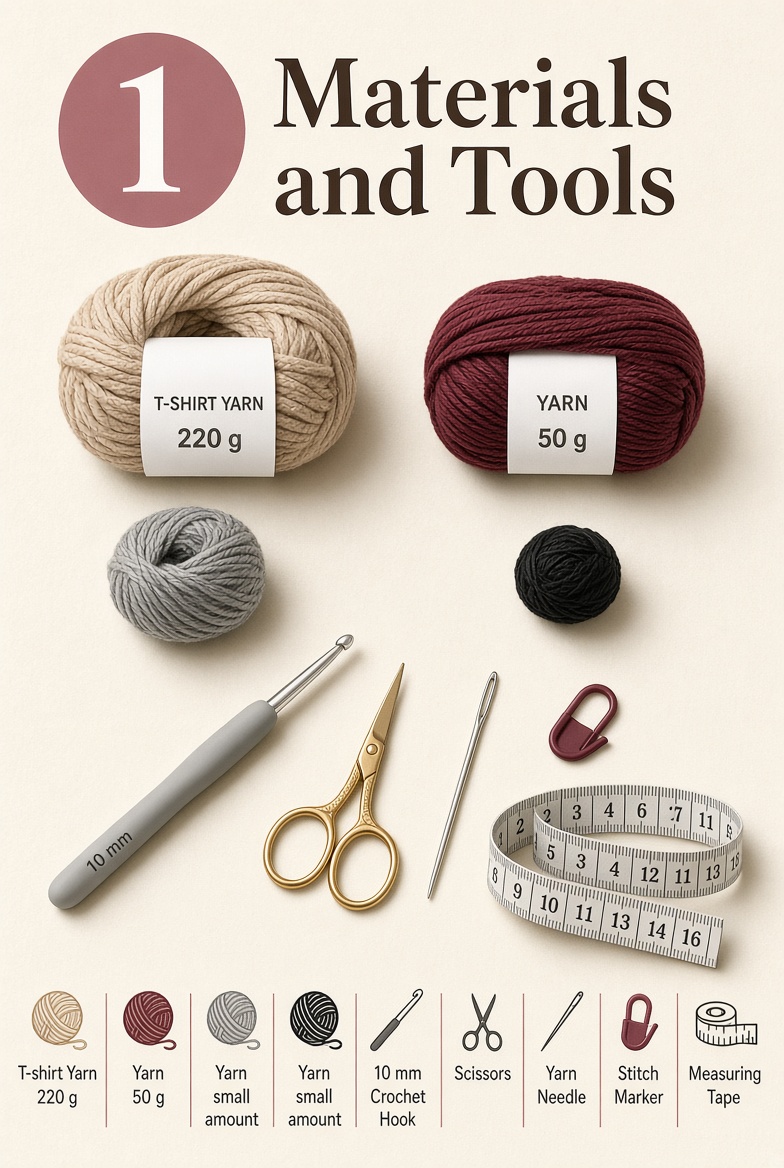
Selecting the perfect yarn and tools ensures your handmade accessory stands the test of time. When you design a crochet backpack, the materials you choose dictate how well the item holds its shape during daily use.
Selecting Yarn for Strength, Stability, and Wearability
A sturdy bag requires yarn that resists stretching and fraying. Natural fibers like cotton or high-quality acrylic blends often provide the necessary structure for a heavy-duty project.
Comparing Smooth, Textured, and Multicolored Yarn Options
The appearance of your finished piece depends on the yarn texture you select. Consider these common options:
- Smooth yarns: These offer excellent stitch definition and a clean, professional look.
- Textured yarns: These add visual interest but may hide intricate stitch patterns.
- Multicolored yarns: These create vibrant patterns without the need for frequent color changes.
Gathering Crochet Hooks and Basic Construction Tools
Using the right hook size is vital for creating a dense fabric. A smaller hook than the yarn label suggests will result in a tighter gauge, which is ideal for a durable crochet bag.
Beyond hooks, keep a set of locking stitch markers and a sturdy tapestry needle nearby. These tools help you maintain alignment while joining panels together.
Planning Optional Closures, Strap Components, and Support Materials
Functional hardware adds a professional touch to your design. You might consider adding magnetic snaps, wooden toggles, or leather-style straps to enhance the utility of your crochet backpack.
If you want extra stability, consider using internal stiffeners or fabric lining. These additions prevent the bag from sagging when it is filled with personal items.
Considering Yarn Care, Colorfastness, and Maintenance
Always check the label for washing instructions to ensure your hard work lasts. Choosing colorfast yarn prevents bleeding when the bag is exposed to moisture or cleaned.
Regular maintenance keeps your crochet bag looking fresh. Simple spot cleaning and occasional reshaping will help maintain the structural integrity of your handmade creation for years to come.
Planning the Crochet Flap Backpack Before Crocheting
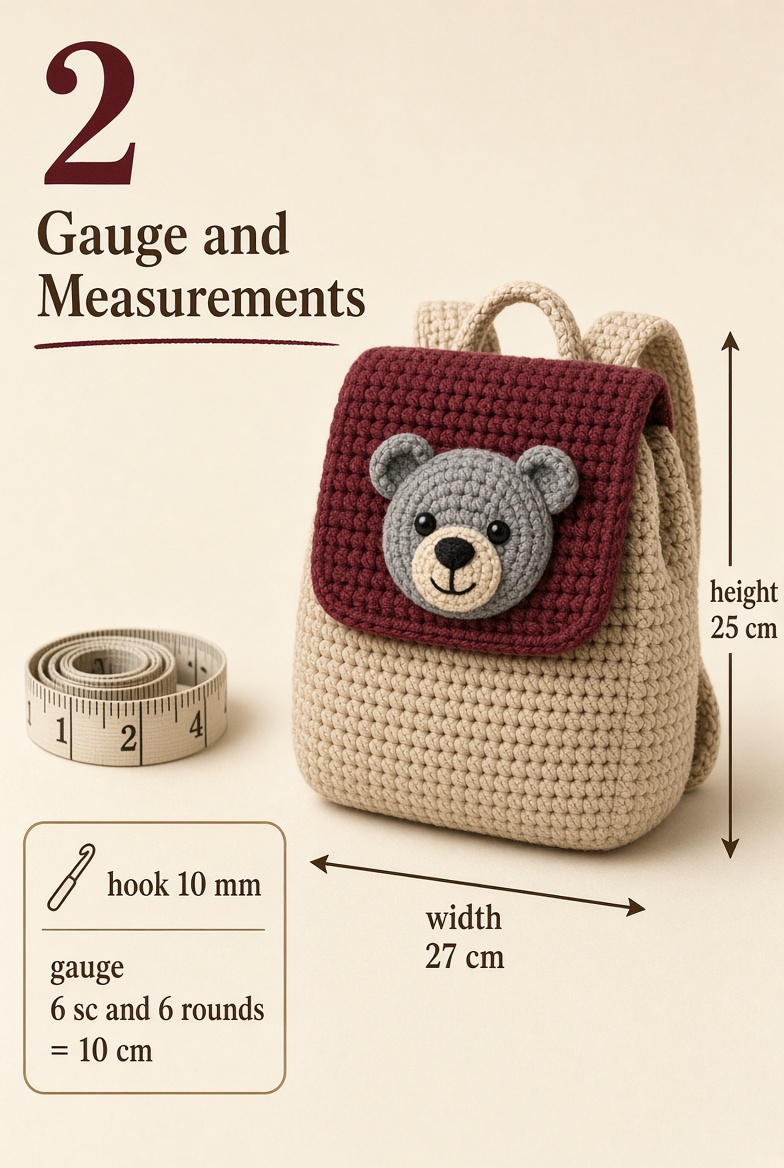
Designing a custom bag starts long before the first stitch is made. A thoughtful approach ensures that the final crochet backpack serves its purpose while looking professional and polished.
Defining the Backpack’s Intended Size and Everyday Purpose
Every successful project begins by identifying how the bag will be used. A crafter should consider if the item is for light errands, carrying books, or holding tech gear.
Defining these needs early helps determine the necessary dimensions. Clear goals prevent the frustration of creating a bag that is either too small or awkwardly oversized for daily life.
Making a Gauge Swatch for Consistent Fabric
A gauge swatch is a vital tool for any crochet backpack pattern. It allows the maker to test how the yarn behaves with a specific hook size.
This small sample provides a preview of the final texture. It helps ensure that the tension remains even throughout the entire construction process.
Checking Fabric Density, Stretch, and Handle Before Starting
The fabric must be sturdy enough to hold its shape under weight. A dense stitch pattern is usually preferred to prevent sagging or gaps between stitches.
Testing the swatch for stretch is equally important. Proper density ensures the bag maintains its structure, while the right “handle” makes the fabric feel comfortable and durable.
Mapping the Front, Back, Base, Side Areas, Flap, and Straps
Visualizing the layout is a great way to learn how to crochet a backpack effectively. Sketching the individual panels helps the maker understand how the pieces fit together.
This map should include the base, the main body panels, and the flap. Planning these components separately allows for better control over the final assembly.
Preparing a Color Scheme and Placing Handmade Details
Choosing a color palette early creates a cohesive look for the finished piece. Whether using bold contrasts or subtle neutrals, a crochet backpack pattern benefits from a clear vision.
Consider where to place decorative elements like buttons or embroidery. Thoughtful placement of these details adds a unique, handmade character that makes the project truly special.
By organizing these steps, anyone can master how to crochet a backpack that is both beautiful and functional. Careful planning is the key to a rewarding crafting experience.
Creating the Main Body and Stable Base
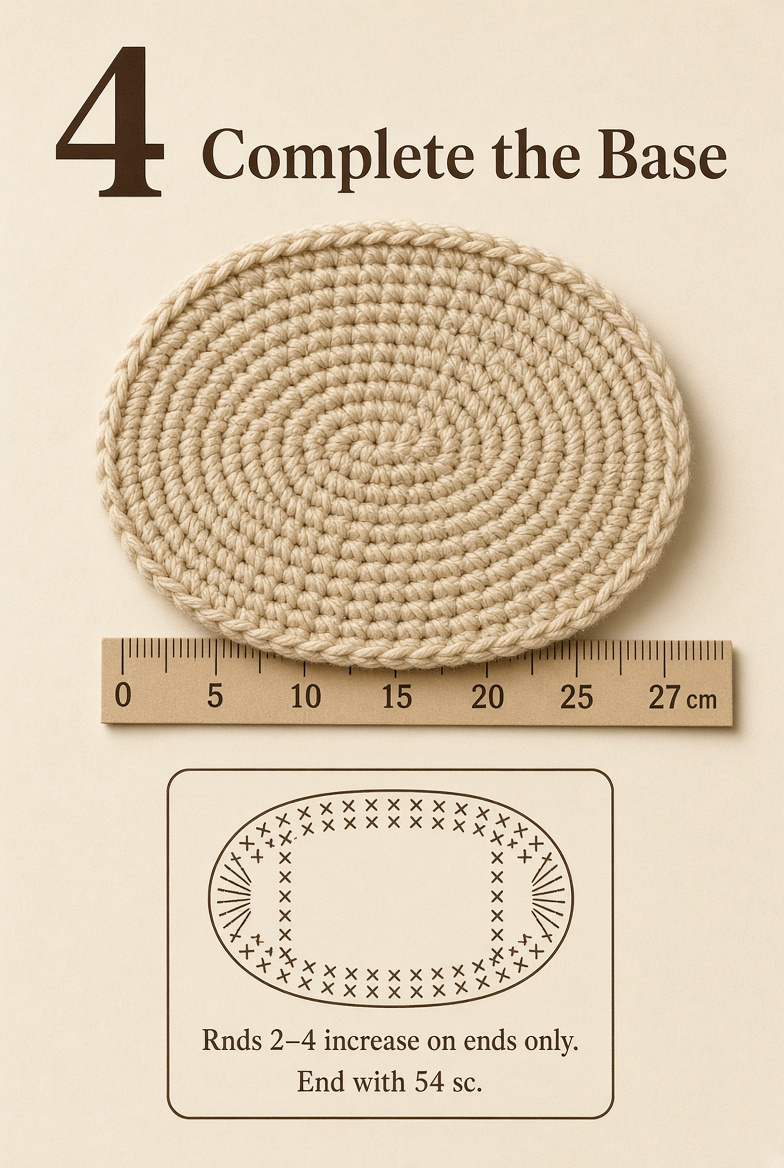
A sturdy base serves as the essential starting point for any successful crochet backpack pattern. By establishing an even foundation, the crafter ensures that the bag sits flat and maintains its form even when filled with heavy items.
Starting the Base With an Even Foundation
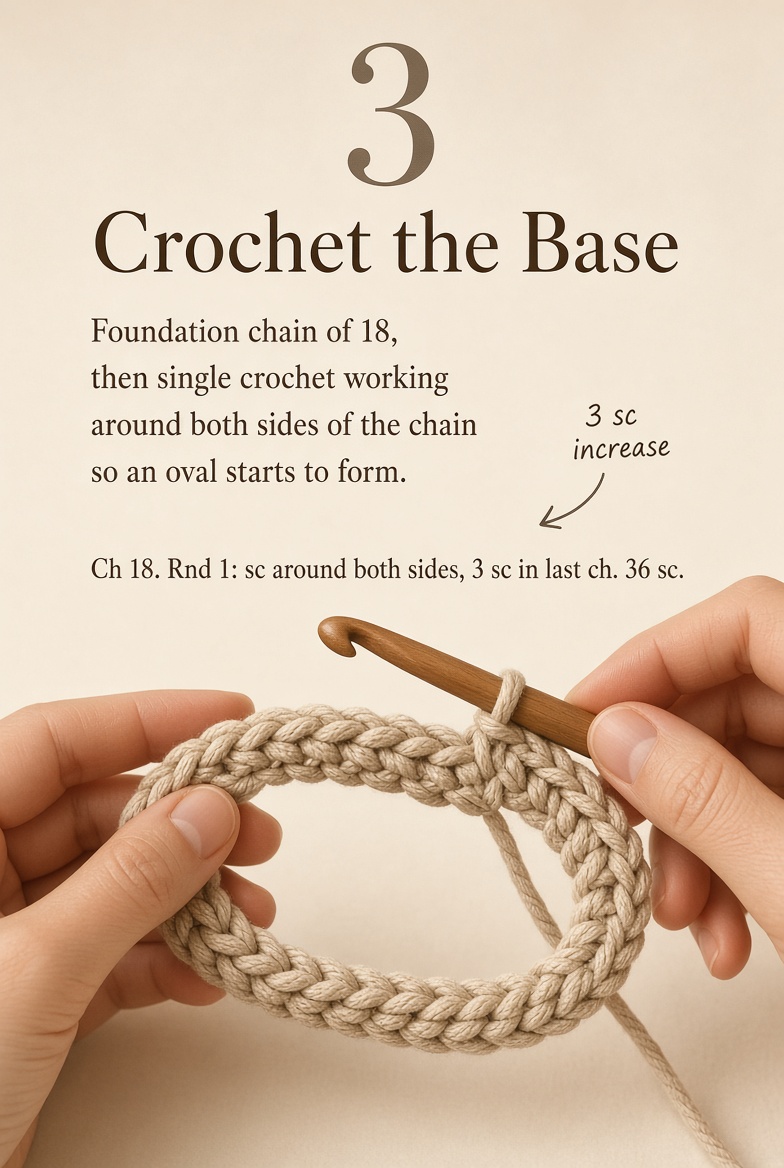
Begin by working a foundation chain or a magic ring that provides a solid, non-stretching base. Consistency is key here, as the base supports the entire weight of the contents. Using a slightly smaller hook than recommended for the yarn weight can help create a tighter, more durable fabric.
Building the Back, Front, and Side Sections
Once the base is complete, work upward by picking up stitches along the perimeter. It is often helpful to treat the front, back, and sides as individual panels or to work in a continuous spiral for a seamless look.
Maintaining Straight Edges and Balanced Stitch Tension
To keep the sides vertical, pay close attention to the turning chains or the placement of the first stitch in each round. Balanced tension prevents the fabric from leaning or twisting as the height increases. If the edges begin to curve, adjust the stitch count or tension immediately to keep the structure square.
Using Suitable Crochet Stitches for Structure
Selecting the right stitch is vital when following a crochet backpack tutorial. Dense stitches like the waistcoat stitch or single crochet provide the necessary stability for a daily-use bag. These stitches create a tight weave that prevents items from poking through the fabric.
Combining Dense Stitches With Decorative Texture
While density is important, adding visual interest makes the project unique. Incorporate decorative textures like bobbles or cables sparingly to avoid compromising the structural integrity of the bag. Strategic placement of these textures keeps the backpack both beautiful and functional.
Checking the Body’s Shape as It Grows
Periodically place the work on a flat surface to ensure the sides remain perpendicular to the base. This simple habit helps identify potential issues before they become difficult to fix. If the bag starts to bulge, consider decreasing the stitch count slightly to maintain a clean, upright silhouette.
Preventing Excessive Stretch in a Daily-Use Crochet Bag
Learning how to crochet a backpack involves understanding how yarn behaves under weight. To prevent sagging, consider lining the interior with a non-stretch fabric or using a reinforced yarn blend. Proper fiber selection, such as cotton or a cotton-acrylic mix, offers better resistance to stretching than soft wool or loose acrylics.
Shaping and Crocheting the Backpack Flap
The flap is the crowning glory of any well-made crochet flap backpack. It serves as the primary visual focal point while providing essential protection for your belongings. A thoughtful design ensures that the bag remains both beautiful and highly functional for daily use.
Attaching the Flap to the Back Panel
The connection point between the flap and the back panel must be incredibly sturdy. Most crafters prefer to work the flap directly onto the top edge of the back panel to ensure a seamless transition. This method creates a natural hinge that moves easily without putting unnecessary strain on the stitches.
Creating a Neat Tapered, Rounded, or Straight Flap Shape
You can customize the silhouette of your bag by choosing a specific flap shape. A straight flap offers a modern, minimalist look, while a rounded or tapered edge provides a softer, more classic aesthetic. Regardless of the shape, consistency in your stitch count is vital for a professional finish.
Working Even Decreases Without Distorting the Edges
When shaping a tapered or rounded flap, you must perform decreases with precision. Consistent tension is the secret to avoiding wavy or puckered edges. By working your decreases one stitch away from the border, you maintain a clean, straight line that looks polished and intentional.
Adding Texture or Color Contrast to the Flap
The flap offers a perfect canvas for creative expression. You might incorporate a different stitch pattern, such as a dense bobble or a cable, to add tactile interest to your crochet flap backpack. Alternatively, using a contrasting yarn color can highlight the flap’s unique shape and make the design pop.
Forming a Clean Flap Border and Secure Closure Area
A crisp border ties the entire design together. Working a round of single crochet or a crab stitch around the perimeter prevents the fabric from curling over time. Furthermore, you should reinforce the area where the closure hardware attaches to ensure it can withstand frequent opening and closing.
Checking How the Flap Covers and Protects the Opening
Before finalizing your work, verify that the flap provides adequate coverage. It should extend far enough to shield the opening from the elements while remaining easy to operate. A well-fitted crochet flap backpack will keep your items secure and dry, proving that handmade quality can easily rival store-bought alternatives.
Adding Texture, Color, and Handmade Character
Adding texture and color is the secret to making a handmade crochet backpack stand out. By carefully selecting specific techniques, a crafter can transform a simple project into a unique fashion statement that reflects personal style.
Choosing Crochet Stitches That Highlight the Design
The foundation of any visually striking bag lies in the stitch pattern. Choosing the right texture can elevate the entire aesthetic of the piece.
Using Ribbing, Post Stitches, Bobbles, or Surface Texture Carefully
Incorporating raised stitches adds depth and a professional finish to the fabric. However, moderation is key to maintaining the structural integrity of the bag.
- Post stitches create sturdy, vertical lines that provide excellent structure.
- Bobbles offer a playful, tactile element that draws the eye.
- Ribbing is perfect for reinforcing edges or creating a snug fit.
- Surface crochet allows for intricate patterns without adding unnecessary bulk.
Working Stripes, Color Blocks, or Small Decorative Motifs
Color placement defines the personality of the accessory. Whether opting for bold, high-contrast stripes or subtle, monochromatic color blocks, the visual impact is significant.
Small motifs, such as crocheted flowers or geometric shapes, can be added to the flap for a touch of whimsy. These elements turn a standard handmade crochet backpack into a one-of-a-kind treasure.
Managing Color Changes for Cleaner Interior and Exterior Sides
Clean color transitions are essential for a polished look. When switching yarns, carrying the unused color along the edge or weaving it in immediately prevents messy interiors.
“Design is not just what it looks like and feels like. Design is how it works.” — Steve Jobs
Adding Edging, Appliqué, Embroidery, or Other Personal Details
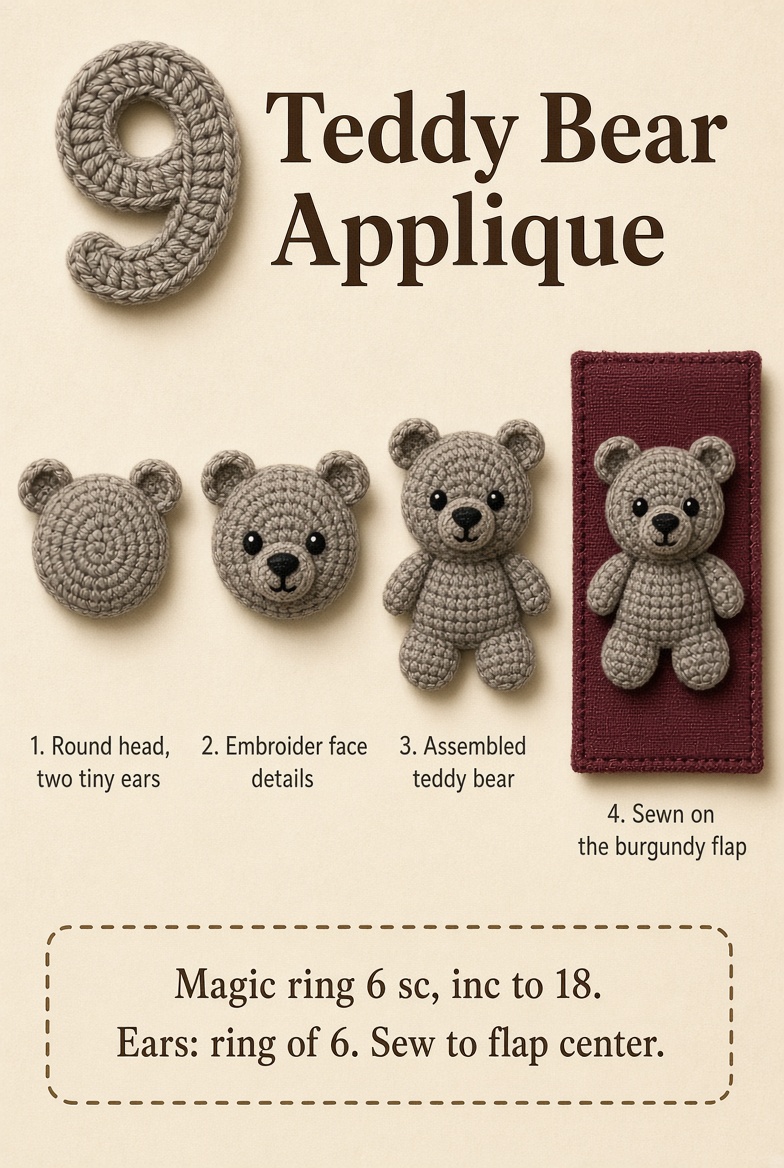
Finishing touches often provide the most character. A simple crab stitch edging can frame the flap beautifully, while felt appliqué or delicate embroidery adds a custom touch.
These details should be applied securely to ensure they withstand daily wear. Thoughtful placement ensures that the bag remains both beautiful and functional.
Keeping Decoration Practical for an Everyday Backpack
While decoration is fun, it must not interfere with the bag’s primary purpose. A handmade crochet backpack needs to be durable enough to carry daily essentials without snagging or losing its shape.
Avoid heavy embellishments that might weigh down the flap or cause the fabric to stretch. By balancing aesthetic flair with structural stability, the final result remains a reliable companion for any adventure.
Assembling the Crochet Backpack Securely
Transforming separate panels into a sturdy crochet bag requires patience and a methodical approach to joining. This stage is where your project transitions from a collection of yarn pieces into a functional, everyday accessory.
Preparing Each Crocheted Panel Before Joining
Before you begin the assembly, lay out all your panels on a flat surface to ensure they match the intended dimensions. Consistency is key when you learn how to crochet a backpack, so verify that your edges are straight and your stitch counts align across corresponding sides.
Joining the Front, Back, Base, and Side Sections
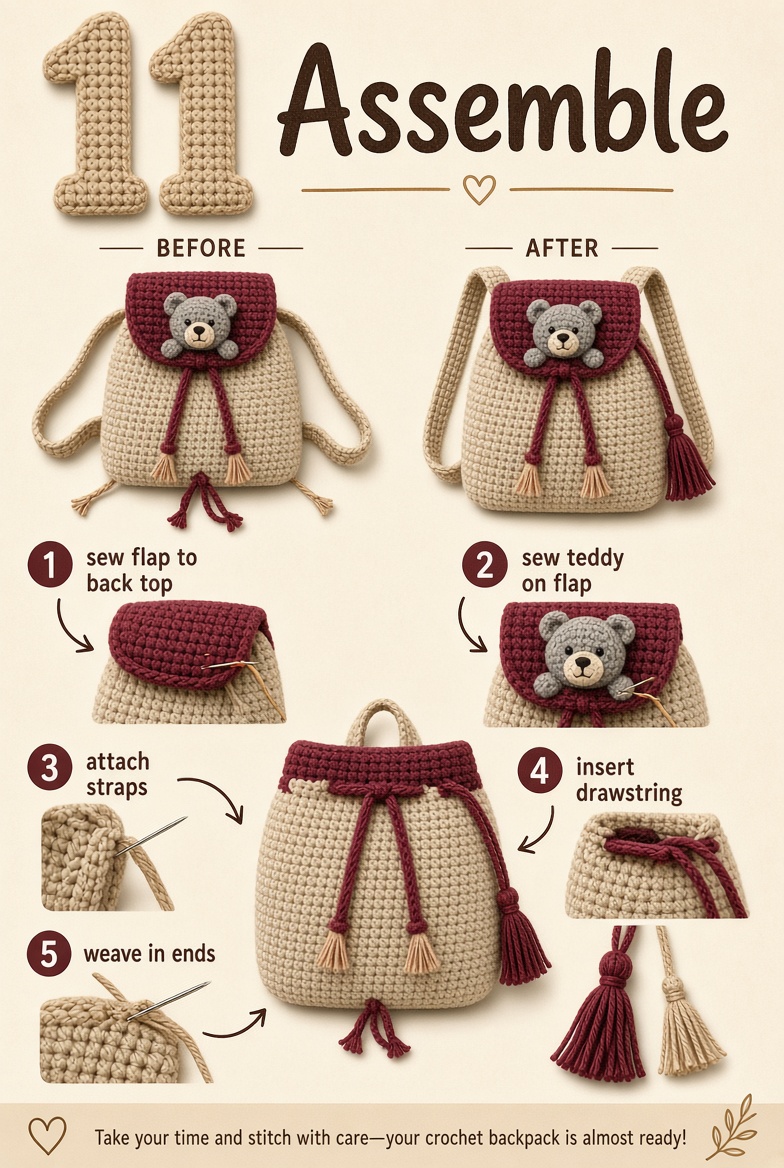
Use a tapestry needle and a matching yarn tail to whip stitch or slip stitch the panels together. Start by attaching the base to the front and back panels, then secure the side gussets to create the main structure of your crochet bag.
- Align corners precisely before starting each seam.
- Use stitch markers to hold panels in place while sewing.
- Maintain even tension to prevent the fabric from puckering.
- Work from the inside to keep the exterior seams clean.
Attaching the Flap Without Pulling or Tilting
The flap must sit perfectly centered on the back panel to ensure the bag closes evenly. Pin the flap securely before you begin sewing, checking from multiple angles to ensure it does not pull or tilt to one side.
Reinforcing Stress Points Around the Opening and Seams
Because a backpack carries weight, the areas where the straps and flap meet the body are prone to stretching. You should double-stitch these high-tension zones to ensure long-term durability.
“Reinforcing your seams with a hidden thread or a second pass of yarn ensures your handmade creation withstands the rigors of daily use.”
Checking the Bag’s Balance Before Adding Straps
Before finalizing the construction, hold the bag up to check its natural hang. If the base tilts or the sides look uneven, adjust your seams now to correct the shape before the final weight of the straps is added.
Testing the Body’s Shape With Light Everyday Contents
Finally, place a few light items inside to see how the fabric reacts to weight. This simple step in your crochet backpack tutorial helps you identify if any seams need extra support or if the structure requires further shaping before you finish the project.
Making and Attaching Comfortable Backpack Straps
Creating durable straps is a vital step in finishing your custom crochet backpack project. The way these straps connect to the bag determines how well it carries weight during your daily commute or weekend outings.
Choosing a Strap Construction That Matches the Bag’s Weight
The weight of your bag dictates the type of strap you should build. A heavy bag requires wider, more substantial straps to distribute pressure across the shoulders effectively.
Crocheting Firm, Even Straps With Minimal Stretch
To prevent the straps from sagging over time, you must work with a tight tension. Using a smaller hook size than the one used for the main body helps create a sturdy, professional finish that resists unwanted elongation.
Using Dense Stitching, Reinforced Edges, or Multiple Layers
You can enhance the durability of your crochet backpack straps by using specific techniques. Consider these methods for a long-lasting result:
- Work in dense stitches like the waistcoat stitch or single crochet.
- Add a layer of cotton webbing or ribbon to the underside for extra support.
- Crochet two identical strips and join them together for a double-thick strap.
- Reinforce the edges with a slip stitch border to prevent curling.
Positioning the Straps for Comfort and Balanced Support
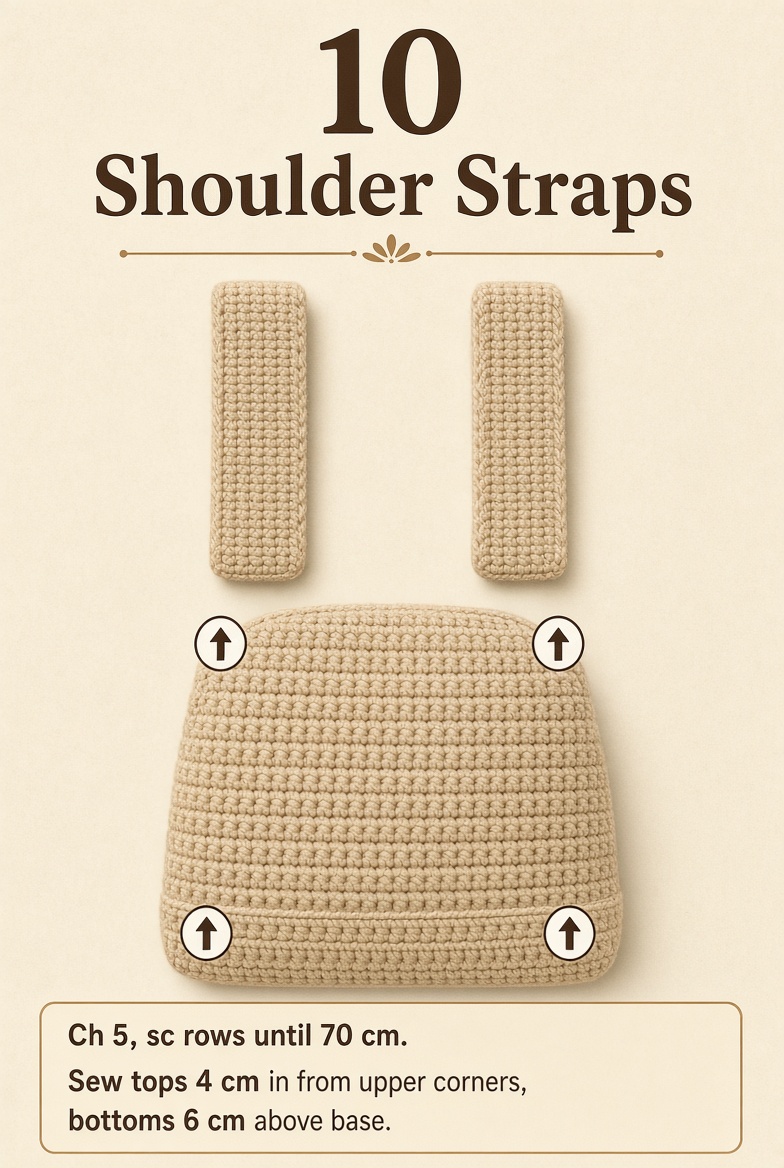
Proper placement is essential for a comfortable carry. Position the top of the straps at an angle that follows the natural slope of your shoulders, ensuring the bag sits high on your back for better weight distribution.
Securing Strap Ends to the Upper and Lower Body
When attaching the straps, use a heavy-duty yarn or nylon thread for maximum security. Sew the ends into the reinforced seams of the crochet backpack to ensure they do not pull away under pressure.
Adding a Button, Toggle, Tie, or Other Practical Closure
A secure closure keeps your belongings safe while you are on the move. You might choose a wooden toggle for a rustic look or a magnetic snap for quick access to your items.
Testing the Straps and Closure Before Final Finishing
Before you weave in all your ends, perform a stress test. Fill the bag with items of similar weight to your daily essentials and wear it for a short walk to check for any discomfort or shifting.
Finishing, Shaping, and Caring for the Handmade Crochet Backpack
The final touches on a handmade crochet backpack are what truly elevate it from a simple craft project to a professional-grade accessory. Taking the time to refine these details ensures that the bag looks polished and performs well under the weight of daily essentials.
Weaving in Ends and Cleaning Up Visible Seams
Securing yarn tails is the most important step for long-term durability. Use a tapestry needle to weave ends back and forth through the stitches on the inside of the bag, ensuring they are hidden from view. Always secure the ends in multiple directions to prevent them from unraveling during heavy use.
Blocking or Gently Shaping the Finished Crochet Pieces
Blocking helps the fabric relax and sets the final dimensions of the bag. For a sturdy handmade crochet backpack, steam blocking is often the best method to define the shape without over-stretching the fibers. This process creates a uniform look that makes the bag appear much more professional.
Correcting Uneven Edges, Loose Stitches, and Minor Distortion
If the edges look slightly wavy, a simple round of single crochet can often provide a cleaner finish. For loose stitches, use a smaller hook to pull the excess yarn to the interior and knot it securely. Addressing these minor distortions early prevents the bag from losing its intended structure over time.
Inspecting Seams, Straps, Flap, and Closure for Security
Before using the bag, perform a thorough stress test on all connection points. Tug gently on the straps and the flap to ensure the yarn is not pulling or showing gaps at the seams. If any area feels weak, add a few extra stitches or use a matching thread to reinforce the connection.
Cleaning, Storing, and Protecting the Finished Crochet Bag
Proper maintenance keeps the bag looking fresh for years. When cleaning, hand wash the item in cool water with a mild detergent and lay it flat to dry. When not in use, store the bag in a cool, dry place away from direct sunlight to prevent color fading.
Making Adjustments for Future Crochet Backpack Projects
Every project offers a chance to learn and improve. Keep a small notebook to record notes about the crochet backpack pattern, such as which yarn worked best or where the straps felt most comfortable. Tracking these details allows for better customization and more efficient construction on future designs.
Conclusion
Creating a custom crochet flap backpack transforms simple yarn into a reliable companion for daily adventures. This project blends structural integrity with personal style to produce a unique accessory that stands the test of time.
Every stitch contributes to the overall durability of the crochet bag. By selecting high-quality fibers and sturdy construction techniques, makers ensure their work remains both functional and beautiful. The process of mapping out panels and reinforcing stress points turns a collection of loops into a professional-grade item.
Personalizing the design allows for endless creative expression. Crafters can experiment with vibrant color palettes, intricate textures, or custom hardware to make the piece truly one of a kind. Whether choosing a minimalist aesthetic or a bold, decorative look, the result reflects individual taste and skill.
This journey through design and assembly provides the confidence to tackle future DIY challenges. Each completed project serves as a foundation for more complex patterns and innovative ideas. Enjoy the satisfaction of carrying a handmade item that perfectly balances utility with artistic flair.
What are the primary benefits of making a crochet flap backpack?
A crochet flap backpack offers a unique blend of artistic expression and everyday utility. Unlike standard bags, the addition of a shaped flap provides extra security for personal belongings while allowing for decorative details like texture, color contrast, and handmade edging. It is a practical choice for those who appreciate the charm of a handmade crochet backpack but need a functional, hands-free storage solution.
Which yarn is most suitable for a durable crochet bag?
For a long-lasting crochet bag, it is best to choose yarns that offer high strength and minimal stretch, such as Lion Brand 24/7 Cotton or sturdy mercerized cotton blends. These materials provide excellent stitch definition and stability, ensuring the crochet backpack maintains its shape even when carrying heavier items. Avoiding overly soft or fuzzy yarns helps prevent pilling and keeps the bag looking fresh over time.
How can a beginner follow a crochet backpack tutorial successfully?
Success starts with the planning phase. Any comprehensive crochet backpack tutorial will emphasize the importance of creating a gauge swatch to check fabric density and handle. By mapping out the front, back, base, and side panels before starting, a maker can ensure all pieces fit together perfectly during assembly, making the process of learning how to crochet a backpack much smoother and more rewarding.
What techniques help prevent a handmade crochet backpack from stretching?
To maintain the structural integrity of a handmade crochet backpack, it is helpful to use dense, compact stitches for the base and main body. Reinforcing the straps with multiple layers or using a thermal stitch can also limit vertical stretch. Additionally, checking the tension throughout the project ensures a firm fabric that resists sagging under the weight of daily essentials.
How can I customize a crochet backpack pattern to reflect my personal style?
A crochet backpack pattern is a fantastic canvas for creativity. Makers can add stripes, color blocks, or small decorative motifs to the flap and body. Techniques like post stitches, bobbles, or surface embroidery add rich texture, while choosing unique closures like wooden toggles or vintage buttons can give the finished crochet bag a distinct, professional look.
What is the best way to assemble the different parts of a crochet flap backpack?
Proper assembly is crucial for a balanced result. After preparing each panel, the front, back, base, and sides should be joined using a secure seam like a mattress stitch or a slip stitch join. It is important to attach the flap to the back panel carefully to avoid tilting. Reinforcing stress points near the opening and strap attachments will ensure the crochet flap backpack remains durable for long-term use.
How should I care for and store my finished crochet backpack?
To keep a handmade crochet backpack in top condition, it should be cleaned according to the specific yarn manufacturer’s instructions—usually hand washing and laying flat to dry is safest. Blocking the finished bag can help correct minor distortions and sharpen the edges. For storage, keeping the crochet bag in a cool, dry place away from direct sunlight will protect the fibers and preserve the vibrancy of the colors.