
Have you ever wondered how a handmade garment can perfectly blend sophisticated style with unique artistry? An elegant crochet dress represents the pinnacle of refined craftsmanship, offering a silhouette that feels both timeless and modern.
More patterns, ideas, and inspiration for crochet lovers, all in one place.
A brief promotional video will be shown before the redirect. By continuing, you accept our Terms and Conditions.
Learning how to crochet an elegant dress allows makers to transform simple yarn into a high-end piece suitable for celebrations or polished daily wear.
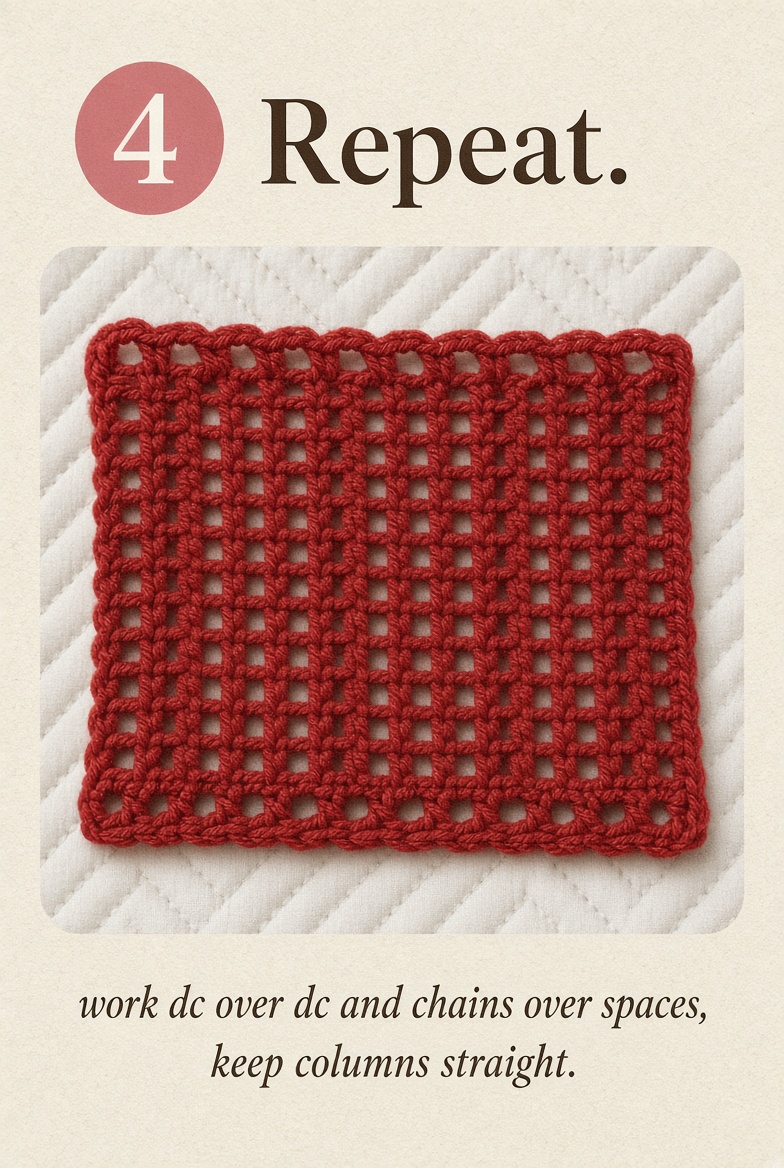
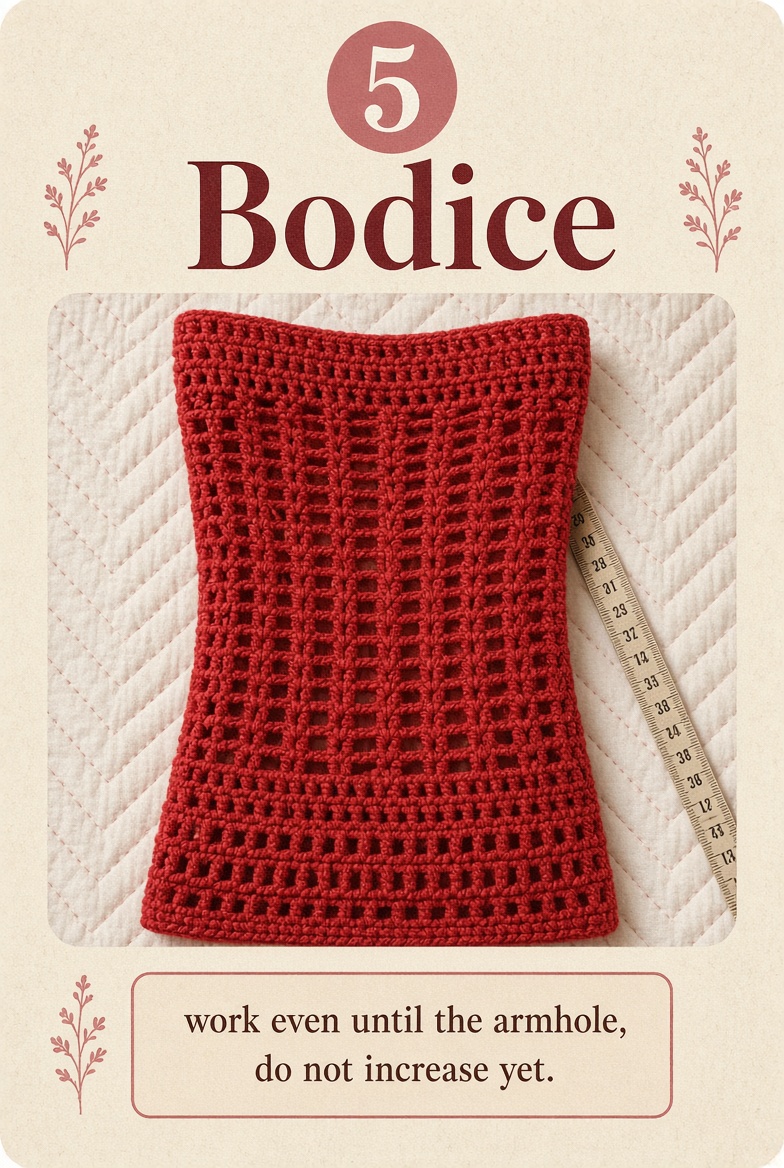
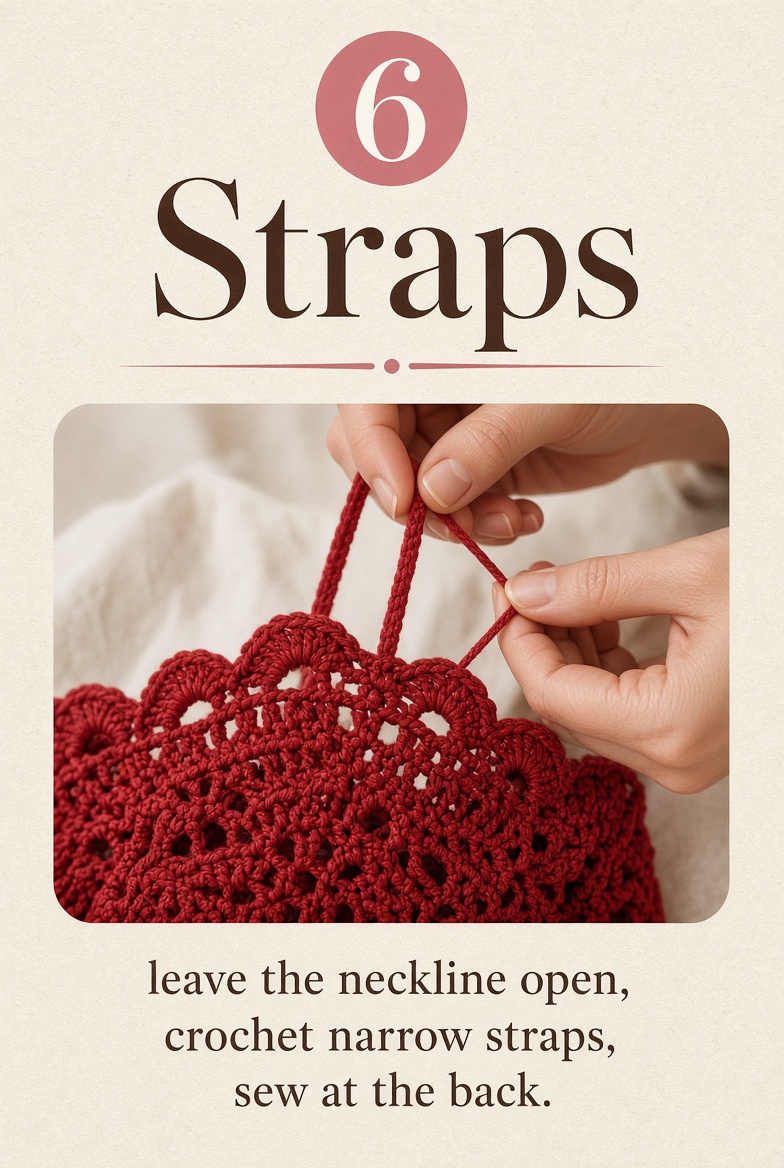
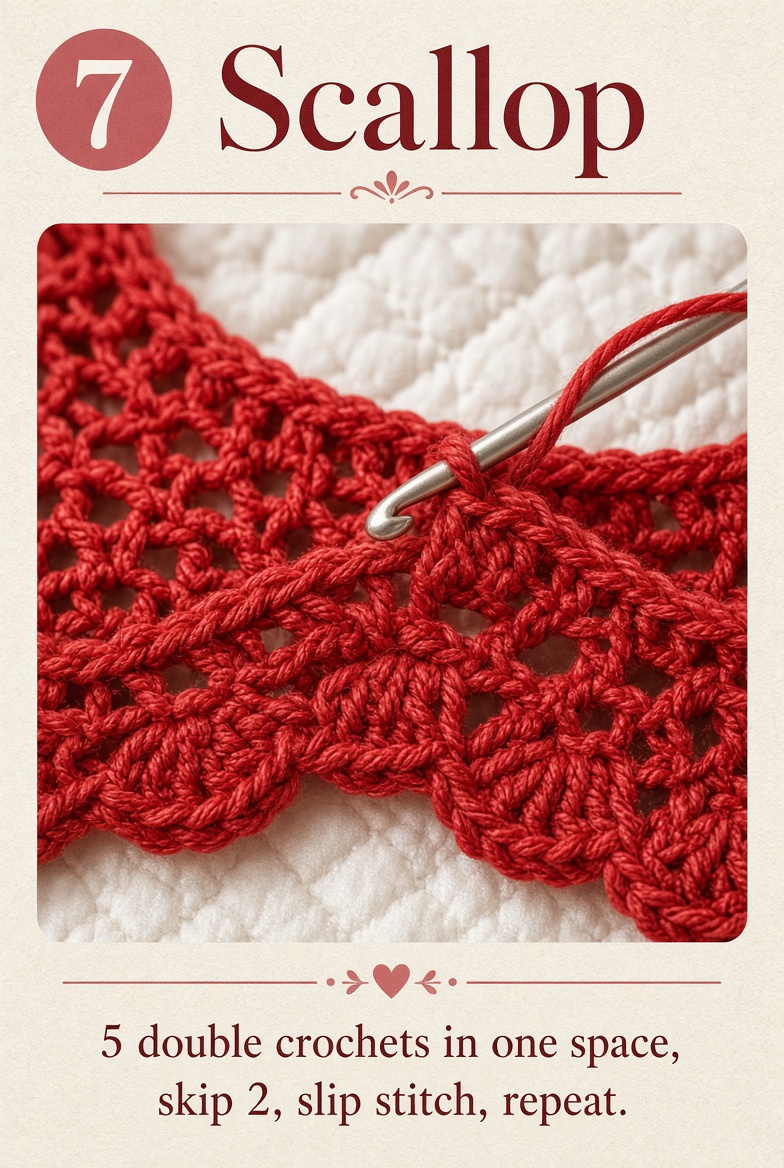
This project focuses on achieving a professional fit through careful stitch selection and thoughtful finishing techniques.
A brief promotional video will be shown before the redirect. By continuing, you accept our Terms and Conditions.
By prioritizing clean lines and subtle textures, enthusiasts can elevate their handmade wardrobe to new heights. This guide explores the essential steps of crochet fashion, from initial planning to the final touches that ensure a high-quality result.
Key Takeaways
- Mastering the balance between textured stitches and refined shaping creates a sophisticated look.
- Proper yarn selection is vital for achieving a professional drape and comfortable fit.
- Thoughtful finishing techniques prevent handmade items from appearing unfinished or bulky.
- This project is ideal for those looking to expand their skills in custom garment construction.
- A well-made piece serves as a versatile staple for both special events and everyday outfits.
Envisioning an Elegant Crochet Dress
The journey toward a stunning handmade piece begins long before the first stitch is cast. Developing a clear vision allows a maker to transform simple yarn into a sophisticated garment that feels both intentional and timeless.
Defining the Dress’s Sophisticated Character
Balancing Handmade Texture With a Refined Appearance
A crochet elegant dress relies on the delicate balance between tactile interest and clean, structured lines. While the natural texture of yarn adds warmth and depth, it must not overwhelm the overall silhouette. By selecting stitches that offer subtle definition rather than heavy bulk, one can achieve a polished look that rivals high-end boutique fashion.
Creating a Feminine, Unique Garment
Every handmade crochet dress carries the distinct signature of its creator. Through thoughtful color choices and graceful shaping, a designer can ensure the final piece feels deeply personal. This uniqueness is what elevates a project from a simple craft to a wearable work of art that celebrates feminine elegance.
Choosing a Wearable Design Direction
Romantic, Minimalist, Vintage-Inspired, and Modern Influences
Selecting the right elegant crochet dress pattern often depends on the desired aesthetic influence. Romantic designs might feature intricate lace motifs, while minimalist styles focus on smooth, monochromatic surfaces and architectural cuts. Vintage-inspired patterns often incorporate classic silhouettes, whereas modern influences prioritize comfort and versatility for the contemporary wardrobe.
Matching the Design to Special Occasions and Everyday Wear
Versatility remains a key factor when planning a new garment. A dress designed for a special celebration might incorporate luxurious fibers and dramatic details, while an everyday piece benefits from durable, breathable materials. By aligning the design direction with the intended use, one ensures the finished crochet elegant dress remains a staple in any closet. Whether attending a formal event or enjoying a casual afternoon, the right handmade crochet dress provides both comfort and style.
Planning the Shape, Length, and Visual Details
Every great crochet fashion piece starts with a thoughtful plan for its structure and form. Before picking up a hook, one must visualize how the fabric will interact with the body to create a truly elegant crochet dress. A well-considered design balances aesthetic appeal with personal comfort.
Selecting a Flattering Silhouette
Fitted Bodices, Defined Waists, and Relaxed Skirts
A classic approach involves pairing a structured bodice with a softer skirt. By cinching the waist, the wearer creates a balanced look that highlights natural curves. This combination ensures the garment feels both secure and graceful.
A-Line, Straight, Flared, and Body-Skimming Shapes
The choice of silhouette dictates the overall mood of the piece. Designers often choose between several distinct forms to achieve the desired effect:
- A-Line: Offers a timeless, universally flattering shape that flows gently from the waist.
- Straight: Provides a modern, minimalist aesthetic that hangs cleanly.
- Flared: Adds movement and a touch of drama to the lower portion of the dress.
- Body-Skimming: Follows the natural lines of the figure without being overly tight.
Deciding on Dress Length and Coverage
Short, Midi, and Full-Length Styling Considerations
Length plays a vital role in how a crochet dress pattern is perceived in different settings. A short hemline often feels playful and casual, while a midi length offers a sophisticated balance for daytime events. Full-length designs bring an air of formal elegance, perfect for evening occasions.
Planning Necklines, Sleeves, Straps, and Back Details
Coverage options allow for endless creativity within the design process. One might opt for a high neckline for modesty or a deep back detail for a striking visual impact. Thoughtful placement of straps and sleeves ensures the garment remains functional while maintaining its refined character.
Using Color to Support an Elegant Finish
Neutrals, Soft Tones, Deep Shades, and Subtle Color Changes
Color selection serves as the foundation for a polished look. Neutrals and soft tones often emphasize the intricate stitch work, while deep shades provide a sense of luxury. Subtle color shifts can add depth without overwhelming the eye.
Combining Main Colors With Delicate Contrast Details
When using a crochet dress pattern, restraint is key to maintaining a high-end feel. Consider these strategies for integrating color:
- Use a monochromatic base to let the texture shine.
- Add delicate contrast at the cuffs or hem for a subtle pop.
- Incorporate tonal variations to create a soft, dreamy aesthetic.
- Keep contrast details minimal to preserve the integrity of the elegant crochet dress.
By carefully planning these elements, one ensures that the final crochet fashion project is both wearable and beautiful. A clear vision leads to a more rewarding crafting experience.
Choosing Yarn and Supporting Materials
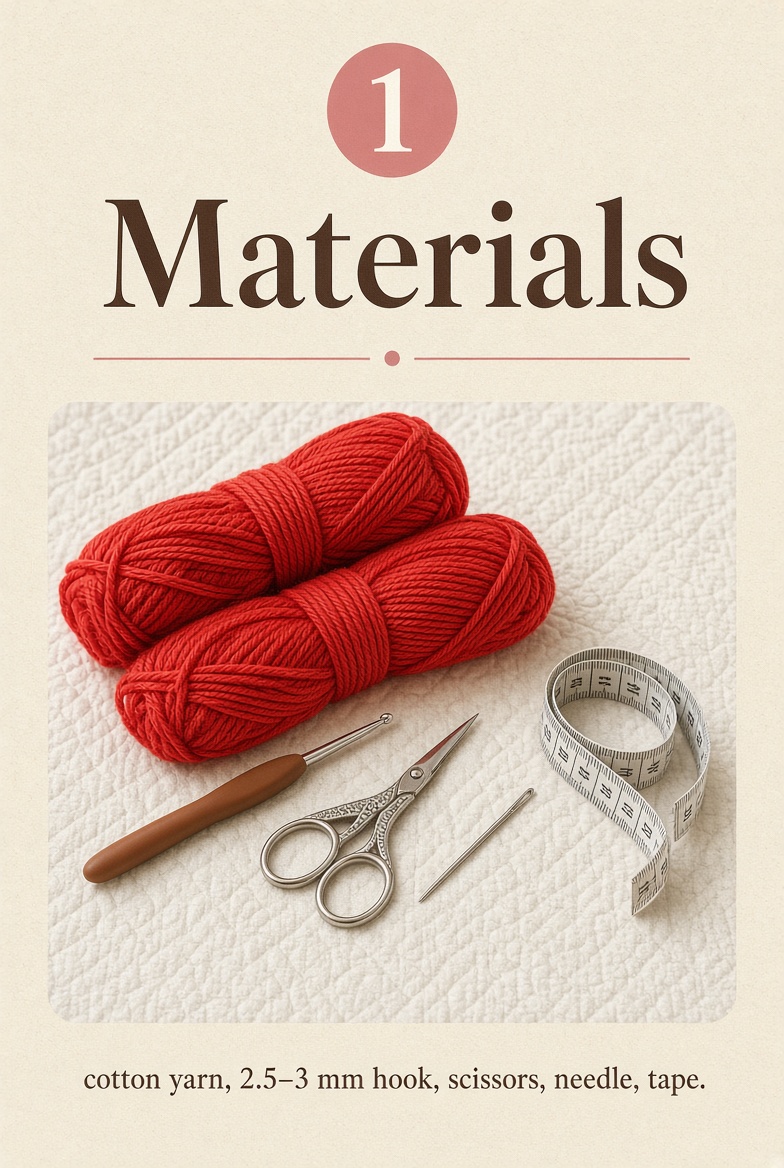
Every beautiful garment begins with a thoughtful selection of yarn and supporting materials. Following a crochet dress tutorial requires careful attention to the specific properties of your chosen fibers to ensure the final piece hangs perfectly on the body.
Selecting Yarn for Drape, Comfort, and Structure
Considering Fiber Feel, Weight, Breathability, and Wearability
The success of your project relies on how the yarn interacts with your skin and the environment. Breathability is essential for comfort, especially if the dress is intended for warmer weather or long-term wear.
Consider the weight of the yarn in relation to the desired silhouette. A lighter weight often provides better movement, while a heavier fiber might be necessary for a more structured, formal look.
Choosing Yarn That Holds Stitch Definition Without Becoming Stiff
You want a yarn that showcases your intricate work without making the fabric feel like cardboard. Stitch definition allows the beauty of your chosen patterns to shine through clearly.
Look for fibers that offer a balance between softness and structural integrity. A yarn that is too soft may lose its shape, while one that is too rigid will lack the elegant flow required for high-quality crochet clothing.
Coordinating Tools and Supporting Materials
Selecting a Crochet Hook for the Chosen Yarn and Fabric Density
The hook size determines the density of your fabric. Using a hook that is too large can create gaps, while one that is too small may result in a stiff, uncomfortable garment.
Always test your hook with the yarn to see if the resulting fabric matches your vision. A consistent fabric density is the hallmark of a professional-looking piece.
Preparing Sewing Thread, Needles, Closures, and Optional Linings
Beyond the yarn, you will need a few essential supplies to finish your work. These items ensure that your garment is functional and durable.
- Matching sewing thread for secure seams.
- Sturdy needles for weaving in ends.
- Reliable closures like buttons or zippers.
- Optional linings to improve opacity and comfort.
Testing the Yarn Before Beginning the Dress
Checking Color, Stretch, Recovery, and Surface Texture
Before committing to a large project, perform a thorough check of your materials. Observe how the yarn behaves when stretched and whether it returns to its original shape.
The surface texture should feel pleasant against the skin. Additionally, ensure the color is consistent throughout the skeins to avoid unwanted variations in your finished crochet dress tutorial.
Washing a Sample to Anticipate Changes in the Finished Fabric
Never skip the step of creating and washing a sample swatch. This simple act reveals how the yarn reacts to water and agitation, which is vital for maintaining the fit of your crochet clothing.
Washing helps you identify potential shrinkage or stretching before you invest hours of labor. Taking this precaution ensures that your final garment remains beautiful and well-fitted for years to come.
Preparing the Crochet Dress Pattern and Fit Plan
A successful project begins long before the first stitch is pulled through the yarn. By establishing a clear roadmap, a maker ensures that the final result is both comfortable and flattering. Learning how to crochet an elegant dress requires careful attention to detail during these initial planning stages.
Taking Reliable Body Measurements
Recording Bust, Waist, Hip, Length, and Armhole Information
Accurate measurements act as the blueprint for any custom garment. It is essential to measure the body at its widest points to ensure the fabric drapes correctly. Consistency is key when gathering these numbers:
- Bust: Measure around the fullest part of the chest.
- Waist: Identify the natural narrowest point of the torso.
- Hip: Measure the widest circumference of the lower body.
- Length: Determine the desired drop from the shoulder to the hem.
- Armhole: Note the depth needed for comfortable movement.
Allowing for Ease, Movement, and the Stretch of the Crochet Fabric
Crochet fabric often behaves differently than woven textiles. One must account for the natural drape and potential stretch of the chosen yarn. Adding “positive ease” ensures the garment does not cling too tightly, allowing for graceful movement throughout the day.
Making and Evaluating a Gauge Swatch
Matching Stitch Density Before Starting the Main Garment
A gauge swatch is the most important tool for any crochet dress pattern. By creating a small sample, a crafter can verify if their stitch density matches the intended design. This simple step prevents the frustration of a garment that ends up too large or too small.
Adjusting the Hook or Stitch Choice When the Fabric Is Too Loose or Tight
If the swatch feels too stiff, try a larger hook to add softness. Conversely, if the fabric appears too airy or loose, a smaller hook will tighten the stitches for a more elegant crochet dress pattern. Testing these variables early saves significant time later in the process.
Planning the Garment in Manageable Sections
Mapping the Bodice, Waist, Skirt, Sleeves, and Decorative Panels
Breaking the project into smaller, logical parts makes the work feel less overwhelming. When a maker understands how to crochet an elegant dress, they often view the garment as a collection of shapes. These sections typically include:
- The structured bodice for support.
- A defined waistline for silhouette.
- The flowing skirt for movement.
- Sleeves or decorative panels for visual interest.
Keeping Pattern Notes Consistent During a Custom Crochet Dress Project
Maintaining a detailed journal is vital for success. Recording stitch counts, hook sizes, and modifications ensures that the crochet dress pattern remains balanced. Consistent notes allow for easy adjustments, ensuring the final piece reflects the original vision with professional precision.
Building Texture With Elegant Crochet Stitches
The secret to a professional-looking crochet elegant dress lies in the careful balance of stitches. By selecting the right textures, a maker can elevate a simple project into a sophisticated garment that feels both intentional and refined.
Choosing Stitches for a Polished Crochet Fabric
Using Smooth Basic Stitches for Clean, Tailored Areas
Single and half-double crochet stitches provide a dense, clean foundation. These smooth textures are essential for areas that require structure, such as the bodice or waistline. They create a tailored look that mimics high-end knitwear.
Adding Openwork, Lace, Shells, and Fans With Restraint
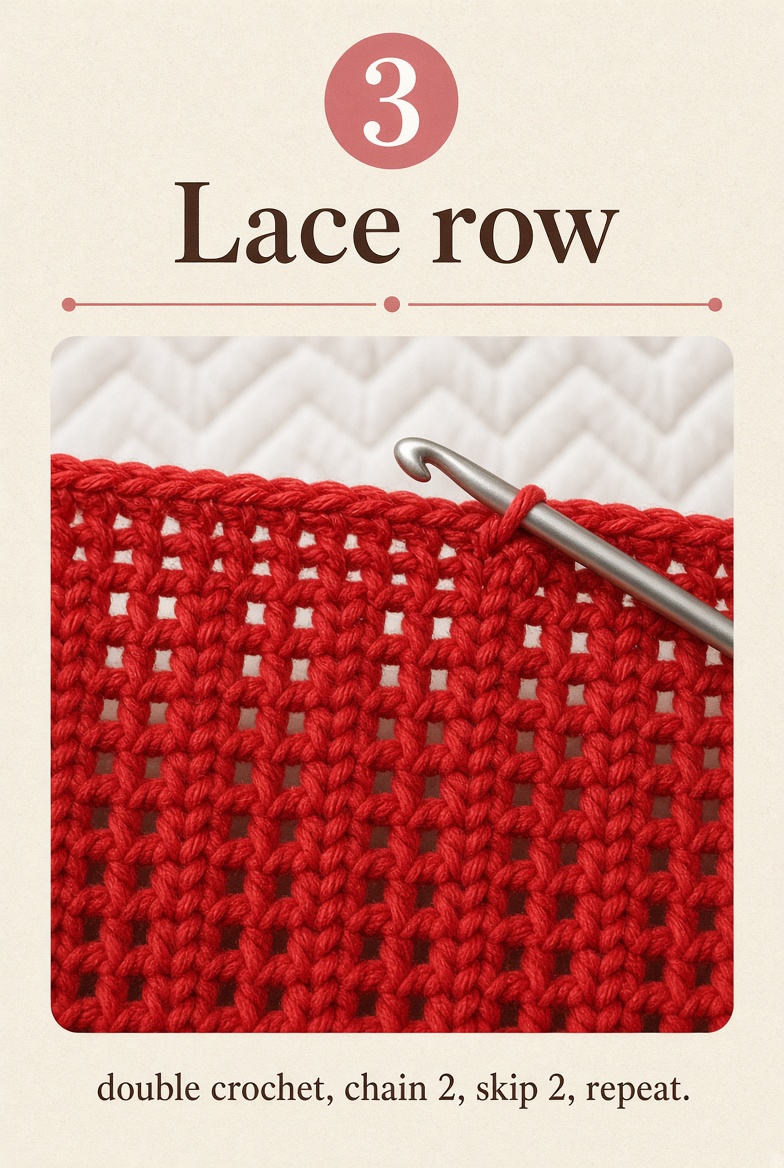
Openwork patterns, such as delicate lace or rhythmic shells, introduce movement and grace. When following a crochet dress tutorial, use these decorative elements sparingly to maintain a high-fashion aesthetic. Too many competing textures can quickly overwhelm the eye.
Combining Texture Without Overcrowding the Design
Placing Decorative Stitch Patterns at the Bodice, Waist, or Hem
Strategic placement is the key to a balanced design. Consider using intricate motifs at the hem to draw the eye downward, or keep the bodice simple to highlight the silhouette. This approach ensures the garment remains elegant rather than cluttered.
Pairing Solid Sections With Airier Panels for Balance
Alternating between solid, opaque sections and airier, lacy panels creates visual interest. This contrast is a hallmark of a well-designed crochet elegant dress. It allows the fabric to drape beautifully while providing necessary coverage.
Maintaining Even Tension Throughout the Dress
Recognizing Changes in Tension Across Large Garment Sections
Large projects often suffer from subtle shifts in tension as the maker tires or changes positions. Consistency is vital for maintaining the intended drape and proportions of the dress. Take frequent breaks to ensure your stitch size remains uniform from start to finish.
Blocking Small Swatches to Confirm the Intended Stitch Character
Before committing to a large panel, always block a swatch. This simple step in your crochet dress tutorial reveals how the yarn behaves and whether the stitch pattern provides the desired structure. It is the best way to avoid unwanted surprises in the final garment.
Highlighting Handmade Details
Using Edgings, Motifs, Picots, and Surface Embellishments
Small details often define the character of a handmade piece. Incorporating delicate picots along a neckline or adding a subtle motif can transform a basic design into something truly special. These touches add a personal, artistic flair that mass-produced clothing lacks.
Making Deliberate Imperfections Look Personal Rather Than Untidy
Handmade items possess a unique charm that should be celebrated. When minor variations occur, view them as a signature of the maker rather than a flaw. By keeping the overall structure clean, these small, deliberate imperfections feel intentional and add to the garment’s authentic beauty.
Shaping the Bodice for Comfort and Elegance
Achieving a professional look for an elegant crochet dress starts with precise bodice construction. This phase determines how the garment sits on the frame, ensuring it feels as good as it looks.
Starting the Bodice With Accurate Structure
Beginning at the Top, Waist, or Separate Panels According to the Pattern
Every elegant crochet dress pattern offers a unique approach to construction. Some designs begin at the neckline and work downward, while others start at the waist or utilize separate front and back panels.
Keeping Edges Straight While Establishing the Garment’s Foundation
Maintaining straight foundation edges is vital for a clean finish. Consistent tension at the start prevents the fabric from pulling or twisting, which creates a stable base for the rest of the bodice.
Creating Bust, Waist, and Side Shaping
Using Increases and Decreases to Follow the Body’s Contours
Strategic increases and decreases allow the fabric to hug the body’s natural curves. By adding or removing stitches, the maker can create a tailored fit that highlights the wearer’s silhouette.
Distributing Shaping Gradually to Avoid Bulges and Abrupt Changes
It is best to distribute shaping stitches across several rows rather than all at once. This gentle transition ensures the fabric remains smooth and avoids unsightly bulges or sharp angles in the design.
Designing Necklines, Armholes, and Straps
Refining Neckline Depth and Edge Stability
A well-designed neckline defines the style of the dress. Using tighter stitches or a decorative border helps stabilize the edge, preventing it from stretching out of shape over time.
Adjusting Armholes and Straps for Secure, Comfortable Wear
Armholes must be deep enough for movement but snug enough to stay in place. Adjusting strap length early ensures the bodice remains secure, providing both comfort and confidence during wear.
Checking Fit Before Continuing
Trying on or Comparing the Work Against the Intended Measurements
Regularly checking the fit is the most effective way to ensure success. Whether trying on the piece or comparing it to a dress form, frequent evaluation keeps the project on track.
Correcting Fit Early Instead of Waiting Until Assembly
Making adjustments now is much easier than fixing issues after the skirt is attached. By refining the fit early, the maker ensures the final garment will be a beautiful, wearable piece of art.
Creating the Skirt and Connecting the Main Sections
Once the bodice is complete, the focus shifts to crafting a flowing skirt that complements the upper garment. This phase is essential when learning how to crochet an elegant dress, as it defines the final silhouette and movement of the piece.
Developing the Skirt From the Waist Down
Maintaining the Planned Shape Through Controlled Increases
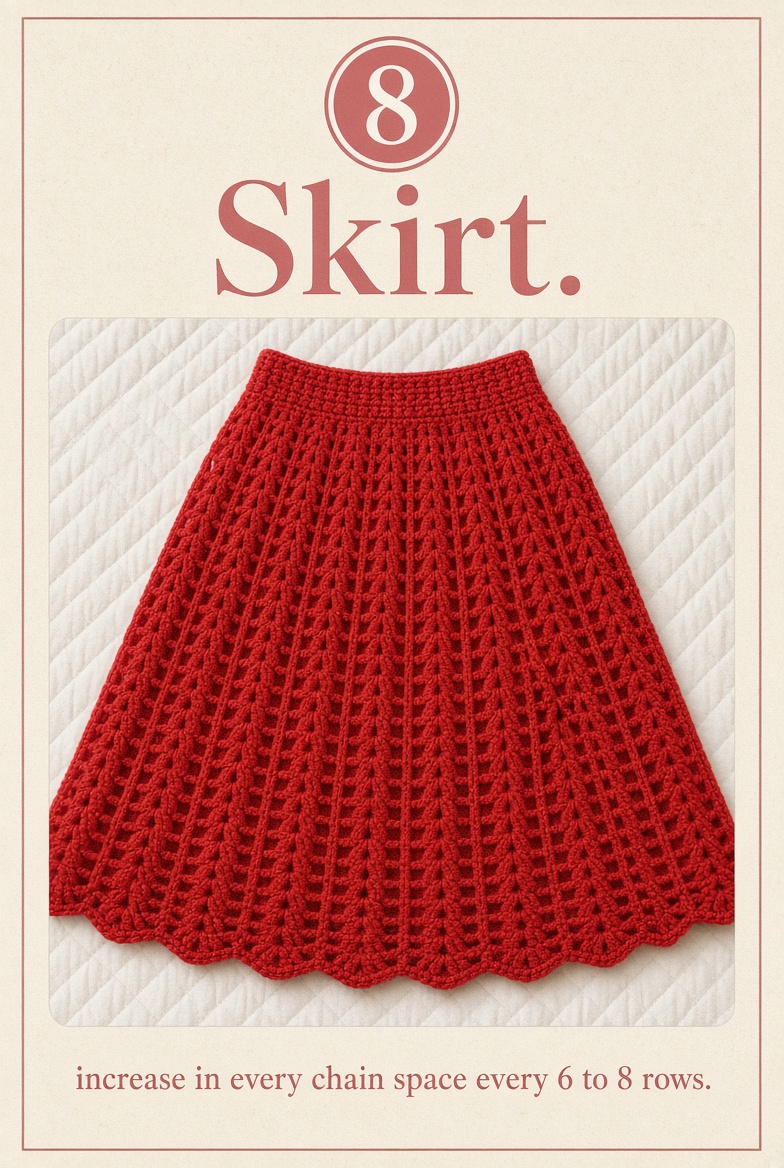
To achieve a professional look, the skirt must expand gradually from the waist. Using a consistent crochet dress pattern ensures that increases are spaced evenly to avoid unwanted bunching or puckering.
Keeping the Hem Even as the Skirt Becomes Wider
As the circumference grows, maintaining an even hem requires careful stitch counting. Consistency is key to ensuring the fabric drapes beautifully without sagging on one side.
Choosing Between a Smooth and Textured Skirt
Using Repeated Stitch Patterns for a Refined Flow
A smooth skirt often relies on simple, repeated stitches to create a sophisticated, minimalist aesthetic. This approach allows the quality of the yarn to shine while providing a clean canvas for accessories.
Adding Lace or Openwork Without Sacrificing Coverage
For those who prefer intricate details, lace or openwork adds a touch of romantic elegance. When incorporating these patterns, it is vital to use a lining or a denser stitch base to maintain necessary coverage.
Joining Bodice and Skirt Sections Neatly
Aligning Seams, Motifs, and Stitch Patterns at the Waist
The transition between the bodice and the skirt should appear seamless. Aligning motifs or stitch patterns creates a cohesive look that elevates the quality of the crochet clothing.
Reinforcing the Join Where the Dress Experiences the Most Tension
The waistline often bears the most weight and movement. Reinforcing this join with a slip stitch or a hidden internal ribbon prevents the garment from stretching out of shape over time.
Adding Sleeves or Separate Decorative Components
Attaching Short, Long, Flared, or Fitted Sleeves
Sleeves can transform the character of the dress entirely. Whether opting for a fitted sleeve for a formal look or a flared style for a bohemian vibe, ensure the armhole shaping matches the sleeve head perfectly.
Integrating Belts, Panels, Overlays, or Crochet Appliqués
Decorative elements provide the final flourish to the design. Consider these additions to enhance the garment:
- Crochet appliqués for a touch of handmade charm.
- Structured panels to define the waistline.
- Sheer overlays for added depth and texture.
- Custom belts to cinch the silhouette.
Assembling and Refining the Handmade Crochet Dress
Achieving a professional look for a crochet elegant dress depends heavily on how the individual pieces are joined and finished. This stage of the crochet dress tutorial transforms loose panels into a cohesive, wearable garment that reflects hours of dedicated work.
Preparing Pieces for Assembly
Blocking Sections Into Their Intended Shape
Before joining any edges, every piece must be blocked to ensure the final dimensions match the original design. Blocking relaxes the fibers and helps the stitches settle into their final, uniform shape.
- Pin each piece to a foam mat using rust-proof pins.
- Lightly mist the fabric with water or use a gentle steam setting.
- Allow the pieces to dry completely before removing the pins.
Hiding Ends and Organizing Seams Before Joining
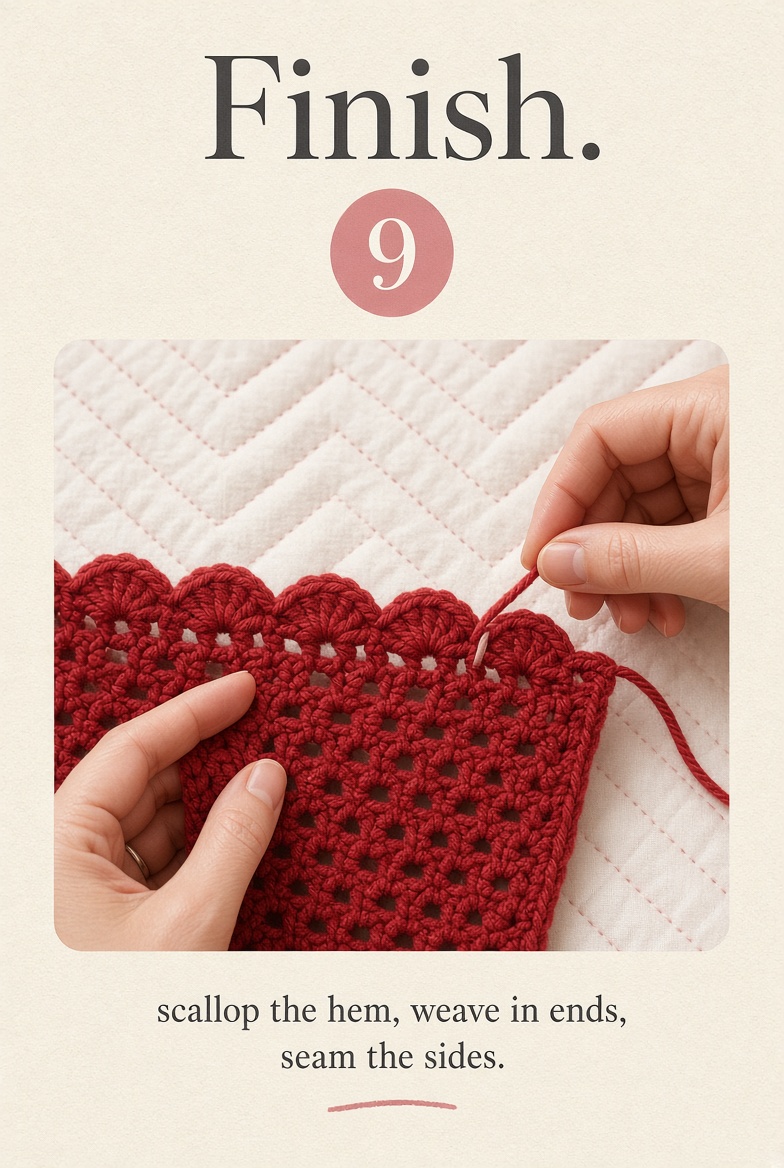
A clean foundation is essential for a high-quality handmade crochet dress. Weaving in all loose yarn ends securely prevents them from unraveling or showing through the finished seams.
Organizing the edges by laying them flat helps identify exactly where each seam should connect. This preparation step minimizes frustration and ensures that the assembly process remains smooth and efficient.
Joining Sections With a Clean Finish
Choosing a Seam Method That Matches the Fabric’s Stretch
The choice of joining method significantly impacts how the garment moves. A seam that is too tight can restrict the natural drape of the fabric, while one that is too loose may look messy.
Consider these common techniques for a polished result:
- Slip stitch seam: Provides a sturdy, low-profile join.
- Mattress stitch: Creates an almost invisible, seamless look.
- Single crochet join: Adds a decorative, structural ridge to the seam.
Keeping Side Seams, Shoulder Seams, and Pattern Transitions Aligned
Precision is vital when connecting the bodice to the skirt or joining side panels. Use stitch markers to hold the edges in place, ensuring that pattern repeats and texture transitions remain perfectly aligned.
Taking the time to pin these sections prevents the fabric from shifting during the sewing process. This attention to detail ensures the handmade crochet dress maintains its intended structure and visual flow.
Inspecting the Dress as a Complete Garment
Checking Symmetry, Drape, Movement, and Overall Proportion
Once the main assembly is complete, it is time to evaluate the garment as a whole. Try the dress on or place it on a dress form to observe how it hangs on the body.
Look for any areas where the fabric pulls or bunches, as these indicate potential issues with tension or seam placement. A successful crochet elegant dress should feel balanced and move gracefully with the wearer.
Making Small Adjustments Before Final Embellishment
If the fit is not quite right, now is the time to make minor corrections. It is much easier to adjust a seam or tighten a loose connection before adding final decorative elements.
Follow this crochet dress tutorial advice: if the garment feels slightly off-balance, re-pin the affected area and adjust the tension of the seam. These final refinements ensure the finished piece looks polished and professional.
Finishing Details That Make the Dress Look Sophisticated
The final touches on a handmade crochet dress are what truly elevate it from a simple project to a professional-looking garment. These small adjustments ensure that the piece feels as good as it looks, turning a labor of love into a high-quality addition to your wardrobe.
Refining Edges and Hems
Adding Consistent Neckline, Armhole, Sleeve, and Hem Edgings
Consistent edgings provide a polished frame for the entire design. By working a uniform border around the neckline, armholes, and hem, you create a cohesive look that defines the silhouette of your elegant crochet dress.
Preventing Curling, Stretching, and Uneven Borders
To keep the fabric stable, consider adding a row of single crochet or a crab stitch along the edges. This simple technique prevents the borders from curling or stretching over time, ensuring the garment maintains its intended shape.
Improving Coverage and Support
Considering a Lining, Slip, or Coordinating Undergarment
Because crochet fabric often features open stitches, adding a lining or a silk slip is essential for comfort. A well-chosen undergarment provides the necessary coverage while allowing the intricate stitch patterns of your crochet fashion to remain the focal point.
Using Closures That Preserve Comfort and the Dress’s Clean Lines
When adding zippers or hooks, ensure they are hidden to maintain the flow of the fabric. A discreet closure preserves the clean lines of the design, ensuring that the garment remains comfortable and easy to wear throughout the day.
Adding Personal Decorative Touches
Applying Buttons, Ties, Beads, Embroidered Details, or Small Motifs
Personalizing your piece with unique elements adds character and charm. You might choose to sew on vintage buttons, delicate beads, or small floral motifs to enhance the visual appeal of your handmade crochet dress.
Keeping Embellishments Secure, Balanced, and Appropriate for Wear
It is vital to ensure that all embellishments are securely attached to prevent snagging. Balance is key; too many decorations can overwhelm the texture, so place them strategically to complement the overall style of your elegant crochet dress.
Blocking and Final Pressing
Shaping the Finished Dress Without Flattening Its Crochet Texture
Blocking is the final step that transforms a piece of fabric into a professional garment. By gently pinning the dress to the correct measurements, you can even out the stitches without flattening the beautiful texture that defines modern crochet fashion.
Allowing the Garment to Dry Completely Before Styling or Storing
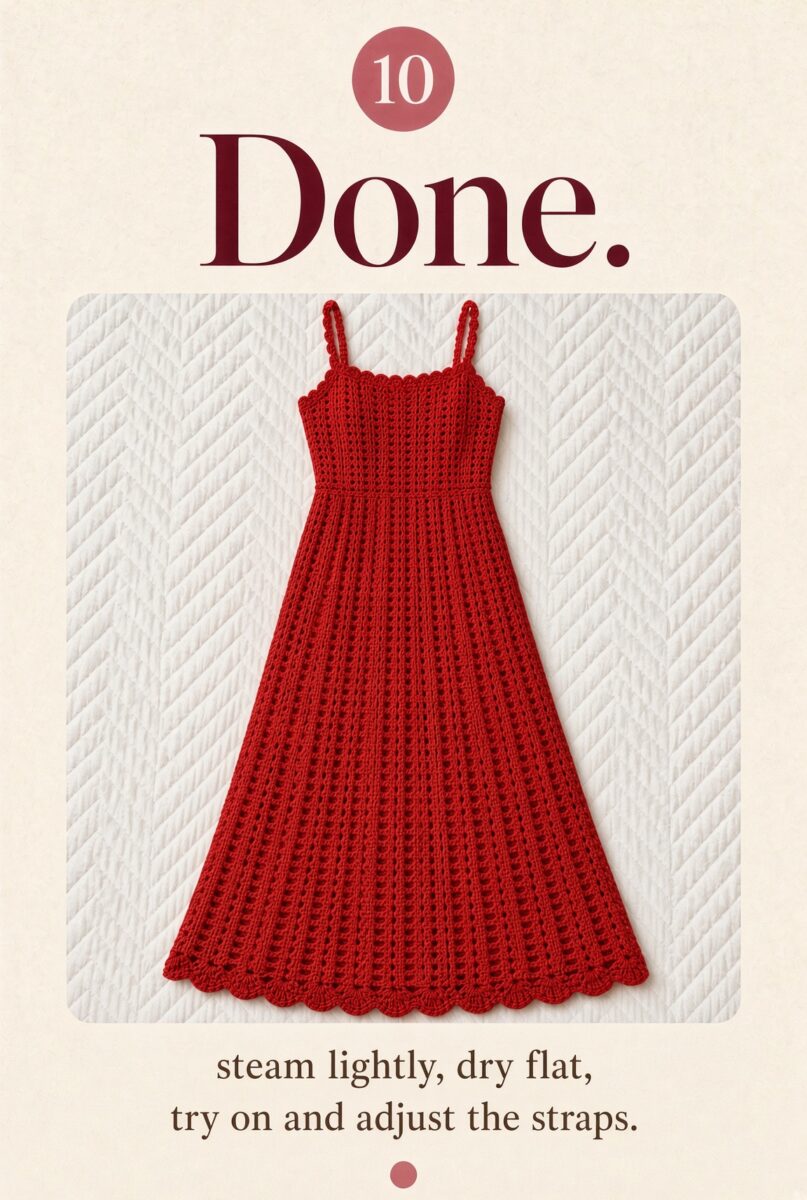
Patience is required during the drying process to ensure the shape remains set. Always allow the garment to dry completely in a flat position, as this prevents the fibers from sagging or losing their structural integrity before you wear them.
Styling and Caring for an Elegant Crochet Dress
An elegant crochet dress offers endless versatility, provided you know how to style it for different settings and care for the delicate fibers. By understanding the balance between texture and accessories, you can elevate your handmade pieces into true works of art.
Styling the Dress for Special Occasions
Pairing It With Elegant Shoes, Jewelry, and Coordinating Layers
For formal celebrations, focus on pieces that enhance the sophistication of your crochet fashion. Pair the dress with sleek heels or metallic sandals to elongate the silhouette. Add delicate gold or silver jewelry that catches the light without snagging the intricate stitch work.
Choosing Accessories That Complement Rather Than Hide the Crochet Texture
The goal is to let the handmade details take center stage. Opt for minimalist accessories that frame the garment rather than overwhelming it. Avoid heavy scarves or bulky wraps that might obscure the unique patterns you worked so hard to create.
Creating an Elegant Everyday Look
Layering With Simple Tops, Cardigans, Jackets, or Under-Dresses
Transforming your crochet clothing for daily wear is simple with the right layers. A fitted slip or under-dress provides necessary coverage while maintaining a polished appearance. During cooler months, a structured blazer or a soft cardigan adds warmth without sacrificing style.
Using Belts and Casual Accessories to Change the Silhouette
You can easily modify the shape of your dress using a slim leather belt to cinch the waist. Casual accessories like a denim jacket or flat ankle boots create a relaxed, chic vibe. These additions allow you to transition your elegant crochet dress from a daytime outing to an evening dinner effortlessly.
Washing and Storing the Finished Garment
Following the Chosen Yarn’s Care Requirements
Always consult the yarn label before cleaning your garment to ensure the fibers remain vibrant. Most high-quality yarns require gentle hand washing in cool water with a mild detergent. Never wring or twist the fabric, as this can permanently distort the stitch definition.
Supporting the Dress During Drying and Avoiding Shape-Damaging Hangers
Lay the dress flat on a clean towel to dry, reshaping it gently to its original dimensions. Avoid using hangers, which can cause the weight of the yarn to stretch the shoulders and bodice over time. Proper support during the drying process is essential for maintaining the intended fit of your crochet fashion.
Preserving Texture, Color, and Fit
Repairing Loose Ends and Minor Damage Promptly
Inspect your garment regularly for any loose ends or small snags. Weaving in ends immediately prevents further unraveling and keeps the piece looking professional. Prompt maintenance is the secret to ensuring your crochet clothing lasts for many seasons.
Storing the Dress Clean, Dry, and Protected From Snags
Store your dress folded neatly in a breathable cotton bag to protect it from dust and potential snags. Keep it in a cool, dry place away from direct sunlight to prevent color fading. By following these steps, you preserve the beauty and integrity of your elegant crochet dress for years to come.
Conclusion
Creating an elegant crochet dress requires a blend of patience and artistic vision. Every choice from the initial yarn selection to the final blocking step shapes the character of the garment. Makers who prioritize fit and texture produce pieces that stand out in any setting.
Learning how to crochet an elegant dress transforms a simple hobby into a rewarding craft. This process allows individuals to express personal style through custom silhouettes and refined details. A well-made piece serves as a testament to the skill and dedication poured into every stitch.
Modern crochet fashion offers endless possibilities for those who enjoy working with their hands. Whether preparing for a formal event or building a versatile everyday wardrobe, these techniques provide a solid foundation for success. Each project builds confidence and expands the creative boundaries of handmade clothing.
Readers are encouraged to start their own journey with these design principles in mind. Exploring new patterns and experimenting with high-quality fibers will lead to stunning results. The world of handmade apparel awaits those ready to pick up their hooks and begin.
FAQ
How do you ensure an elegant crochet dress looks professional and sophisticated rather than casual?
To achieve a high-end look, the maker should focus on refined shaping, textured stitches, and superior yarn selection. Following a crochet dress tutorial that emphasizes tailored edges, consistent tension, and balanced proportions helps transition the project from a simple craft to a piece of luxury crochet fashion. Using a refined stitch definition prevents the garment from looking bulky, ensuring a feminine silhouette suitable for special occasions.
What is the best way to choose yarn for an elegant crochet dress pattern?
One should select yarn that offers a beautiful drape and holds its shape over time. Natural fibers such as merino wool or Pima cotton from reputable brands like Lion Brand or Cascade Yarns are excellent choices. For a crochet elegant dress, it is vital to pick a weight that provides breathability and comfort without becoming too stiff, allowing the handmade crochet dress to move gracefully with the wearer.
Can a maker learn how to crochet an elegant dress with a custom fit without a pre-set size?
Yes, by centering the elegant crochet dress pattern around reliable body measurements. Recording the bust, waist, hip, and armhole dimensions allows the creator to plan for ease and movement. It is also essential to evaluate a gauge swatch before starting, as this ensures the crochet clothing will match the intended dimensions once the handmade texture is fully worked.
Which stitches are most effective for creating a refined crochet fashion look?
A combination of smooth basic stitches for structural sections and delicate lace, shells, or picots for decorative accents works best. In a crochet dress tutorial, readers often learn that placing airier panels at the hem or neckline while keeping the bodice solid provides a perfect balance. This approach ensures the crochet elegant dress remains sophisticated without the design appearing overcrowded.
How should a handmade crochet dress be assembled to ensure it lasts?
Proper assembly begins with blocking each section into its intended shape before joining. The maker should use a seam method that accommodates the natural stretch of the crochet clothing, ensuring that side seams and motifs are perfectly aligned. This professional finishing protects the stitch integrity and ensures the elegant crochet dress maintains its symmetry through years of wear.
What finishing touches help a crochet dress pattern look like a boutique garment?
Refining the edges and hems is crucial to prevent curling or stretching. Adding consistent edgings to the neckline and armholes, along with high-quality closures or discreet buttons, provides a polished finish. Additionally, considering a matching slip or lining improves the coverage and support of the handmade crochet dress, making it feel secure and comfortable for any celebration.
How should someone style and care for a crochet elegant dress for a special event?
For a formal look, one can pair the dress with elegant shoes and minimalist jewelry that complements the crochet texture rather than hiding it. To preserve the garment, it should be hand-washed according to the yarn’s specific requirements and dried flat. Storing the crochet fashion piece folded rather than on a hanger prevents the weight of the fabric from damaging the fit and shape over time.