Have you ever wondered how a pair of tiny crochet baby shoes can perfectly blend soft textures?
A brief promotional video will be shown before the redirect. By continuing, you accept our Terms and Conditions.
These adorable accessories combine comfort with handmade charm.
More than just a craft project, they serve as a heartfelt expression of love for a new arrival.
A brief promotional video will be shown before the redirect. By continuing, you accept our Terms and Conditions.
Creating these items allows makers to combine cozy yarn with careful, rhythmic stitches. Whether you are crafting a sweet gift or a lasting keepsake, the process remains deeply rewarding. Personalized details and vibrant colors transform simple materials into a cherished heirloom.
This guide explores the essential steps for your next project. Readers will learn how to crochet baby shoes by examining various design choices, material selections, and construction techniques. The following sections also cover vital finishing touches and important safety considerations to ensure every piece is both beautiful and secure for little feet.
Key Takeaways
- Handmade footwear offers a unique, personal touch for newborn gifts.
- Selecting the right yarn ensures comfort and durability for delicate skin.
- Proper sizing and construction are essential for a secure fit.
- Decorative elements add character and charm to every finished pair.
- Safety remains the top priority when choosing buttons or embellishments.
What Makes Crochet Baby Shoes Special
The appeal of handmade baby shoes lies in their delicate design and thoughtful construction. These items offer a level of warmth and care that mass-produced alternatives simply cannot replicate.
Why Handmade Baby Shoes Are Adorable
Tiny proportions, cozy texture and personal craftsmanship
There is something inherently sweet about the tiny proportions of footwear designed for a newborn. The cozy texture of soft yarn provides a tactile experience that feels gentle against delicate skin.
Each stitch reflects the personal craftsmanship of the maker. When someone chooses to create handmade baby shoes, they pour time and affection into every loop, resulting in a truly unique piece.
Comfort Features for Newborns
Soft flexibility, gentle coverage and a nonrestrictive fit
Newborns require footwear that prioritizes their natural development. Unlike rigid store-bought shoes, crochet designs offer soft flexibility that moves with the baby.
These items provide gentle coverage to keep little feet warm without causing irritation. The nonrestrictive fit ensures that the baby’s feet can grow and wiggle freely, which is essential for early comfort.
How Crochet Baby Shoes Become Meaningful Keepsakes
Sentimental value for families, milestones and handmade collections
Beyond their immediate utility, these items often hold deep sentimental value for families. They serve as physical reminders of a child’s earliest days and significant milestones.
Many parents choose to preserve these handmade baby shoes as part of a cherished collection. They become treasured mementos that capture the love and excitement surrounding a new arrival, often passed down through generations as a symbol of family history.
Designing Crochet Baby Shoes for Comfort and Style
Every pair of baby crochet shoes begins with a vision that blends style with the delicate needs of a newborn. Designers must consider how the structure supports tiny feet while maintaining a charming appearance.
Choosing a Shape for Baby Crochet Shoes
Low-cut shoes, Mary Jane-inspired styles and crochet baby booties
Selecting the right silhouette is essential for both function and fashion. Low-cut designs offer a modern look that is easy to slip on and off during quick changes.
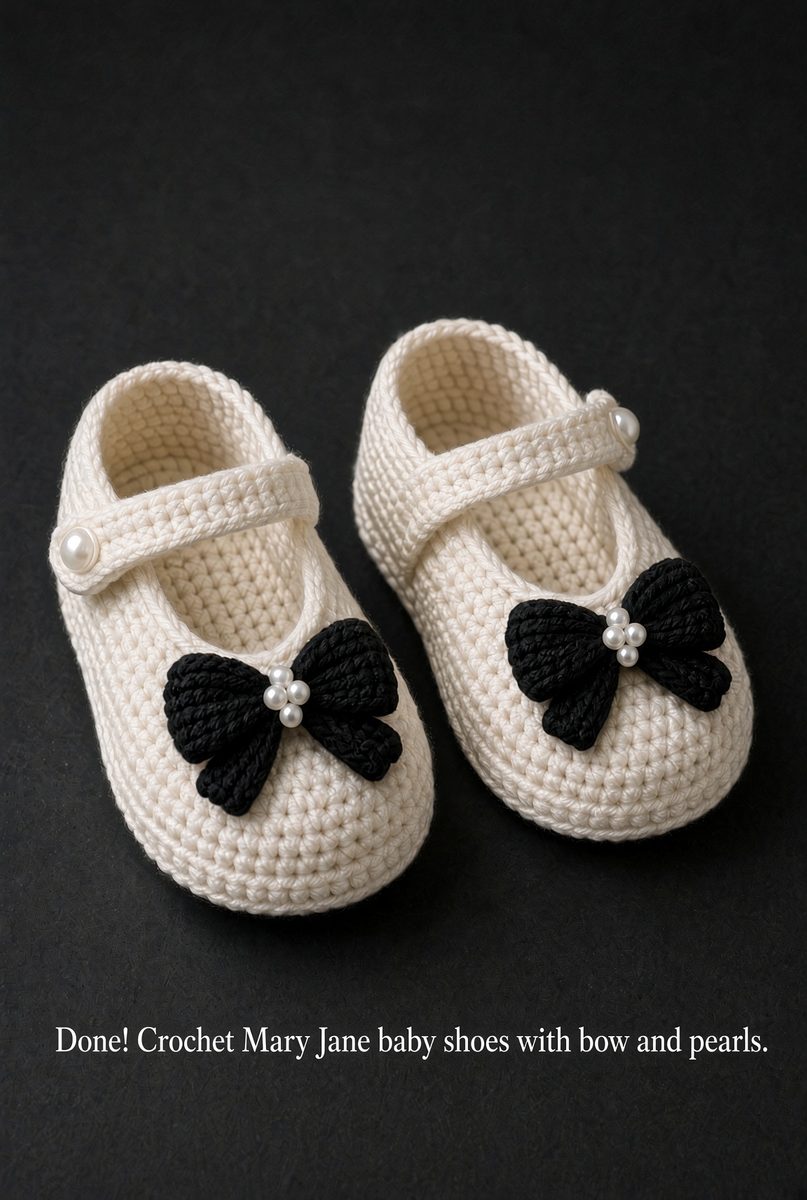
Mary Jane-inspired styles provide a classic, timeless elegance that remains a favorite for special occasions. Meanwhile, traditional crochet baby booties offer extra warmth and coverage, making them perfect for cooler weather.
Planning Colors and Visual Contrast
Neutrals, pastels, gender-neutral palettes and coordinating accents
Color choices significantly impact the final look of the footwear. Soft neutrals like cream, beige, and soft gray provide a sophisticated base that matches almost any outfit.
Pastels remain a popular choice for a gentle, traditional aesthetic. For those seeking versatility, gender-neutral palettes featuring sage green or mustard yellow offer a fresh and modern appeal. Coordinating accents, such as a contrasting trim, can add a pop of visual interest without overwhelming the design.
Balancing Texture With Wearability
Using raised stitches selectively while keeping the inside smooth
Texture adds depth and character to handmade items. Using raised stitches like post stitches or bobbles creates a beautiful, tactile surface that catches the eye.
However, it is crucial to keep the interior smooth to protect sensitive skin. By placing decorative textures only on the exterior, the baby crochet shoes remain comfortable for all-day wear.
Matching the Design to a Baby’s Outfit or Nursery Theme
Many crafters enjoy creating footwear that complements a specific nursery theme or a favorite baby outfit. Whether matching a floral pattern or a minimalist aesthetic, the design should feel cohesive.
Customizing crochet baby booties to match a gift set creates a thoughtful and personalized touch. This attention to detail ensures the final product is as practical as it is beautiful.
Choosing Soft Yarn, Crochet Hooks and Useful Stitches
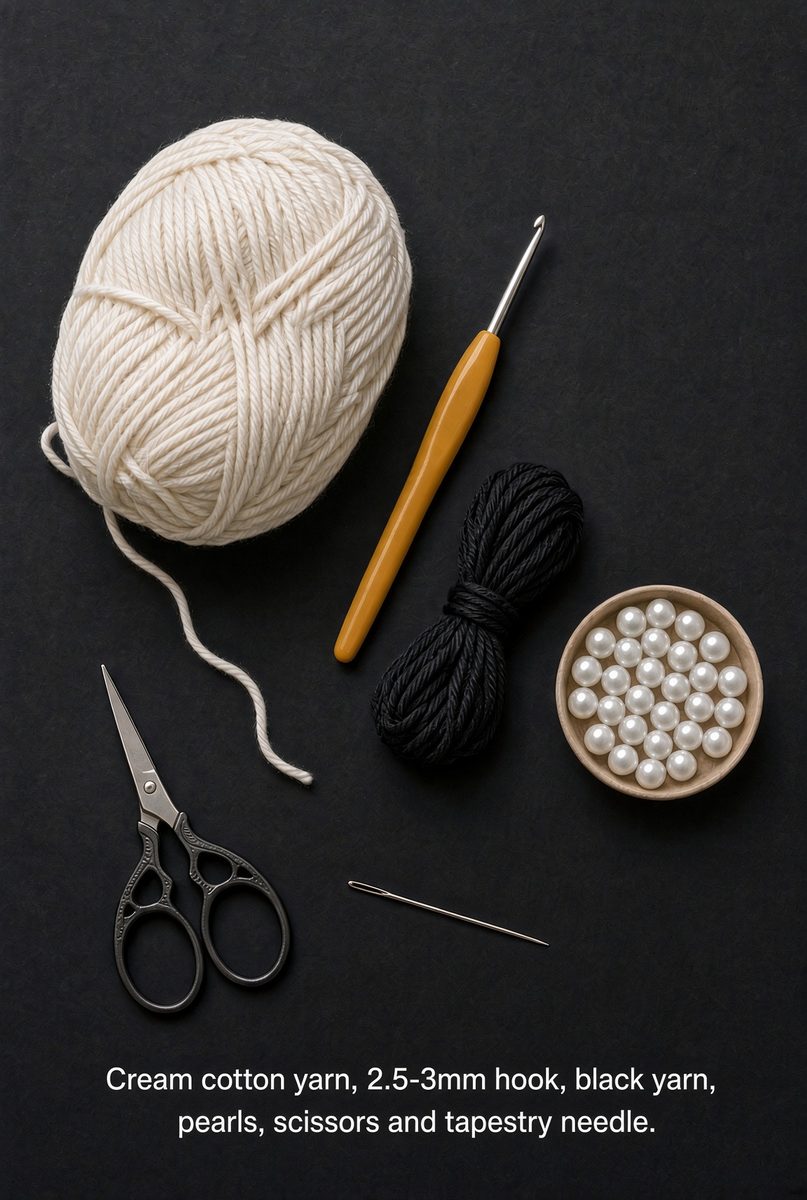
Selecting the right yarn and hook is the foundation for any successful baby shoes crochet pattern project. The materials chosen will directly impact the comfort and durability of the final product.
Selecting Baby-Friendly Yarn
Softness, washability, breathability and suitability for sensitive skin
When crafting for infants, prioritize fibers that are gentle against delicate skin. Cotton or bamboo blends are excellent choices because they offer natural breathability and are easy to clean.
Always look for machine-washable labels to ensure the shoes remain practical for busy parents. Avoid scratchy wools that might cause irritation, opting instead for soft, hypoallergenic acrylics or premium cotton yarns.
Choosing a Crochet Hook for the Yarn
Following the yarn label and adjusting the hook for flexible fabric
The yarn label provides a recommended hook size, which serves as a helpful starting point for your project. However, achieving the right drape often requires a bit of experimentation.
If the fabric feels too stiff, try moving up one hook size to create a more flexible and comfortable fit. A slightly larger hook can make the finished item feel softer and more pliable for a baby’s feet.
Useful Stitches for Baby Shoes Crochet Patterns
Single crochet for structure and firm soles
The single crochet stitch is the workhorse of any baby shoes crochet pattern. It creates a dense, sturdy fabric that provides the necessary support for the sole of the shoe.
Half double crochet and double crochet for soft height
When building the sides of the shoe, half double and double crochet stitches add height quickly. These stitches create a softer, more cushioned texture that feels gentle around the ankle.
Slip stitches for joining and neat transitions
Slip stitches are essential for creating clean, invisible joins between rounds. They help maintain a professional look while ensuring the transitions remain smooth and comfortable for the wearer.
Techniques That Improve Shape and Stability
Working in rounds, increasing, decreasing and maintaining even tension
Most footwear designs rely on working in continuous rounds to create a seamless shape. Mastering the art of increasing and decreasing is vital for shaping the toe and heel areas accurately.
Finally, maintaining consistent tension throughout the project ensures that both shoes match perfectly. Even, steady stitches prevent the fabric from puckering or stretching out of shape over time.
Preparing the Crochet Baby Shoes Pattern and Sole
A well-prepared project is the secret to making beautiful and comfortable handmade footwear. Taking time to understand the requirements ensures that your crochet baby shoes turn out perfectly every time.
Step 1: Read the Pattern and Organize the Project
Checking the construction order, matching yarn and preparing tools
Before you begin, read through the entire baby shoes crochet pattern to understand the flow of the work. Gather your yarn, hooks, and stitch markers to ensure everything is ready for a smooth start.
Identifying the sole, upper, strap and decorative components
Break down the project by identifying the specific parts listed in the instructions. Recognizing the sole, upper, and strap sections early helps you visualize how the crochet baby shoes pattern comes together.
Step 2: Create the Sole Foundation
Starting with a foundation chain or another pattern-specified method
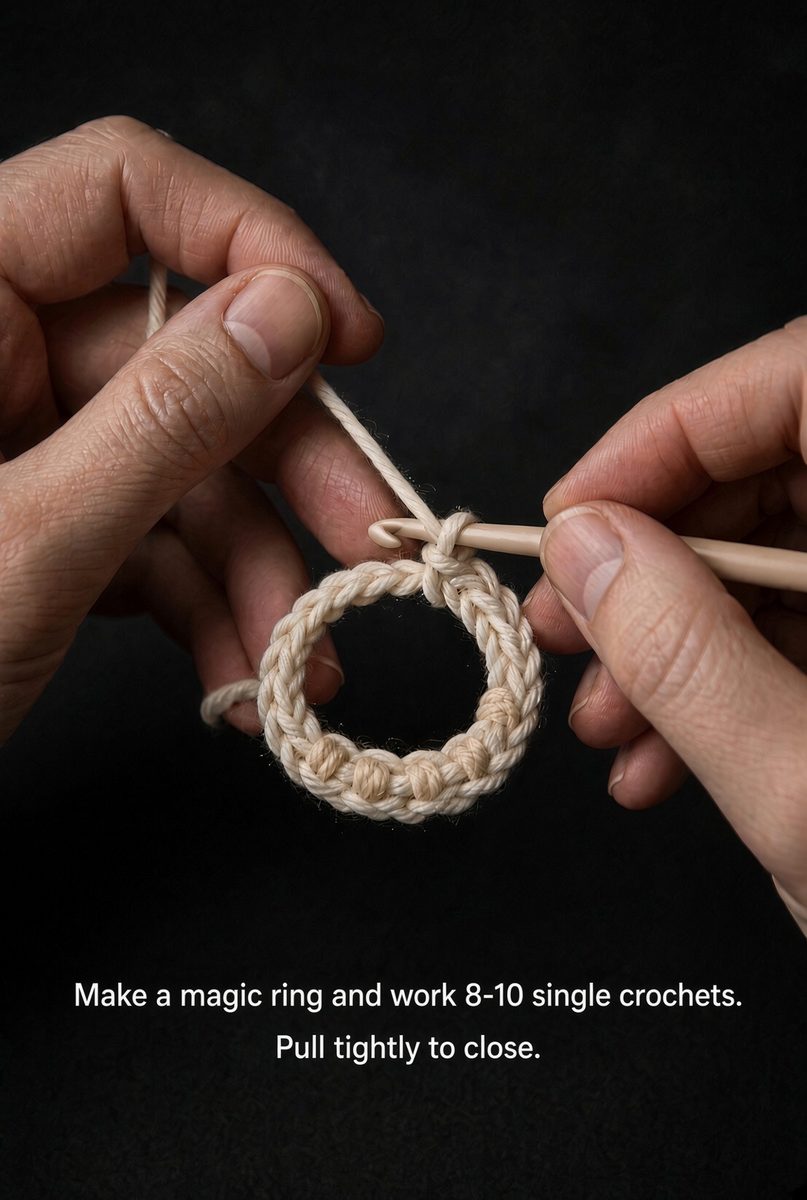
The foundation is the most critical part of the shoe. Whether you start with a simple chain or a magic ring, follow the specific method outlined in your crochet baby shoes pattern to ensure the correct size.
Working around the foundation to form an oval shape
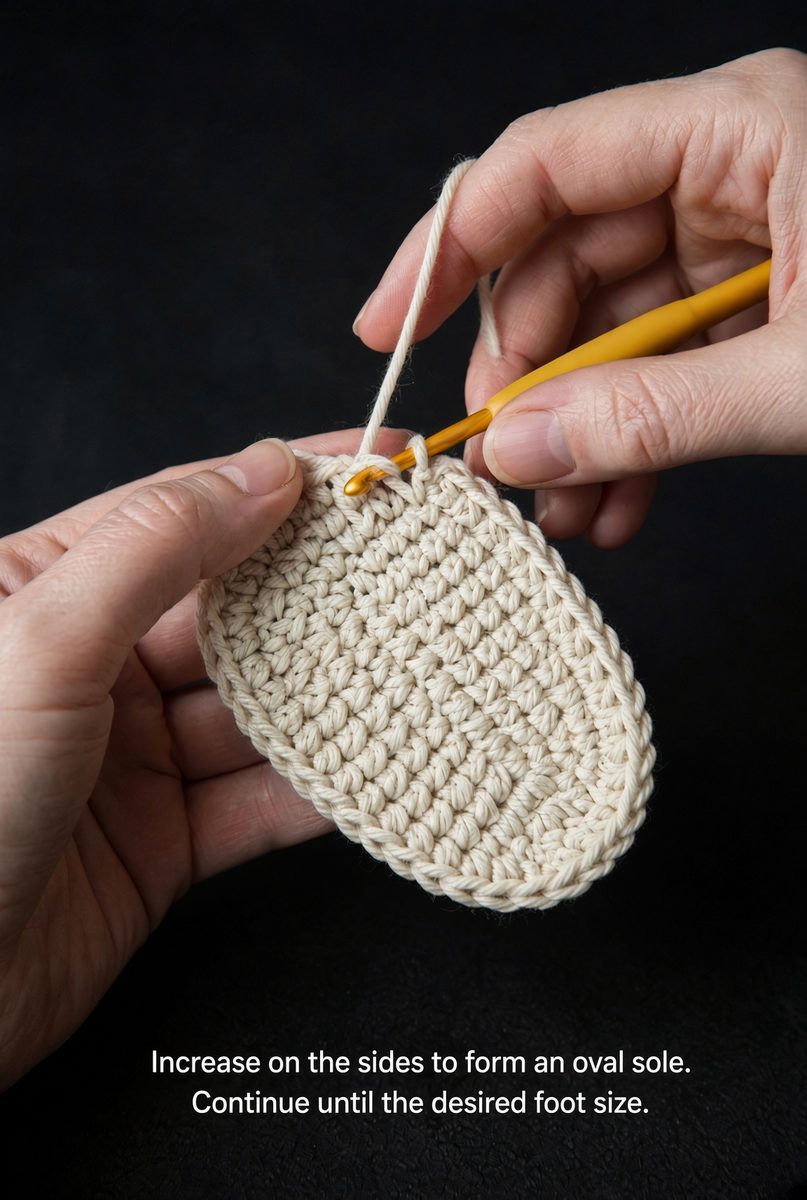
Work your stitches evenly around the foundation to build the base. This technique creates the necessary oval shape that mimics the natural curve of a baby’s foot.
Step 3: Shape the Sole With Even Increases
Placing increases at the toe and heel curves
To achieve the right shape, you must place increases carefully at the toe and heel. These increases allow the sole to expand properly without bunching or curling.
Keeping both soles symmetrical and checking the outline as it grows
Always work on both soles at the same time or count your stitches meticulously to maintain symmetry. A consistent baby shoes crochet pattern relies on matching the outline of both pieces as they grow.
Step 4: Check the Sole Before Building the Upper
Assessing flexibility, flatness and the developing proportions
Before moving to the upper, lay your sole on a flat surface to check its shape. It should remain completely flat and flexible, ensuring the final crochet baby shoes will be comfortable for a little one to wear.
Shaping the Uppers of Easy Crochet Baby Shoes
Transforming a flat crochet sole into a cozy bootie requires careful attention to the upper construction. This phase is where easy crochet baby shoes truly begin to take their final shape and structure.
Step 5: Build the Sides Above the Sole
Working stitches around the sole edge to create a supportive wall
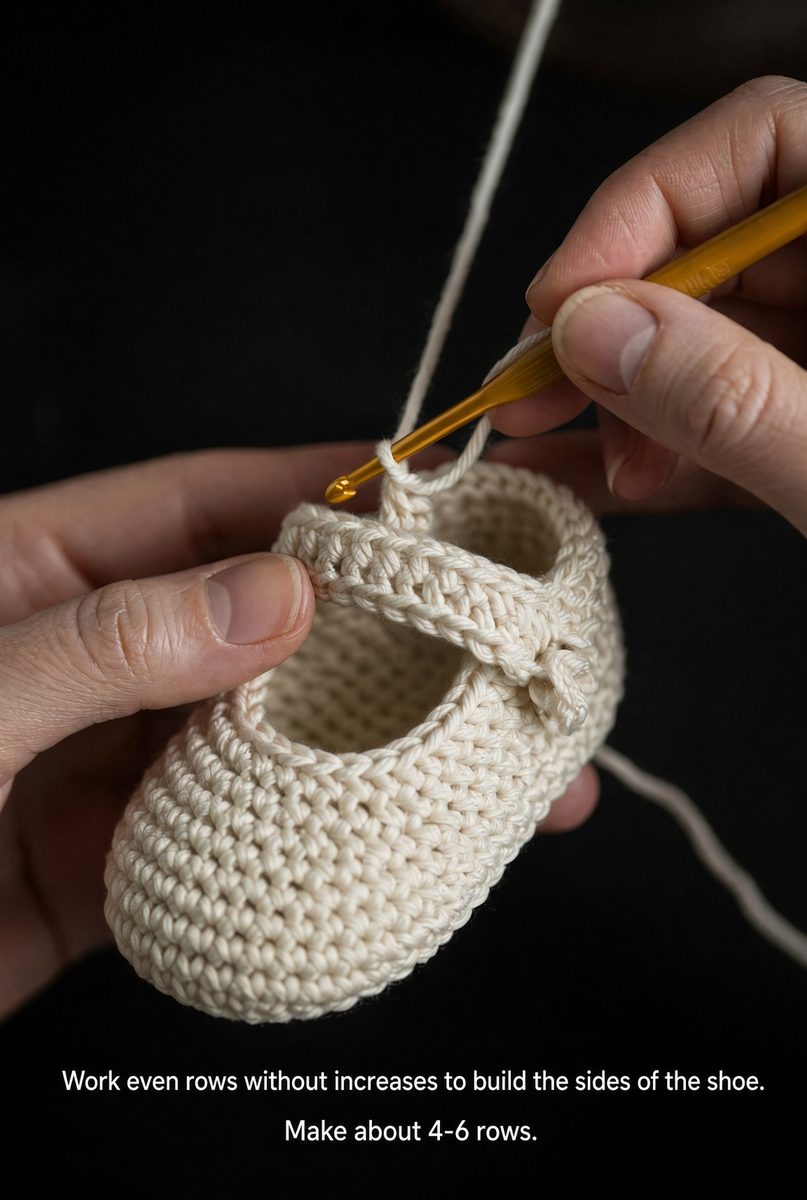
To begin the upper, the crafter works stitches directly into the edge of the finished sole. This creates a sturdy foundation that acts as a wall for the foot. By picking up stitches evenly, the base remains stable and ready for the next rows.
Maintaining consistent tension so the shoe does not flare or collapse
Keeping a steady hand is vital during this stage. If the tension is too loose, the sides may flare outward, while overly tight stitches can cause the shoe to collapse inward. Consistent tension ensures the bootie maintains its intended shape throughout the process.
Step 6: Form the Toe and Heel
Using decreases to create a rounded toe
Once the sides are established, the toe area requires careful shaping. By strategically using decreases, the fabric curves naturally over the front of the foot. This technique is essential when making crochet baby booties that look professional and fit well.
Shaping the heel so it sits securely without feeling tight
The heel must be shaped to cup the back of the foot gently. It should sit securely against the skin without being restrictive or causing discomfort. A well-formed heel prevents the shoe from slipping off during movement.
Step 7: Add Openings, Straps or Bootie Details
Creating a comfortable opening for easy dressing
The opening of the shoe needs to be wide enough for a parent to slide the baby’s foot in easily. A flexible edge allows for a snug fit that does not pinch the ankle. This balance of comfort and security is a hallmark of high-quality handmade footwear.
Adding a crocheted strap or adjustable closure when the design calls for it
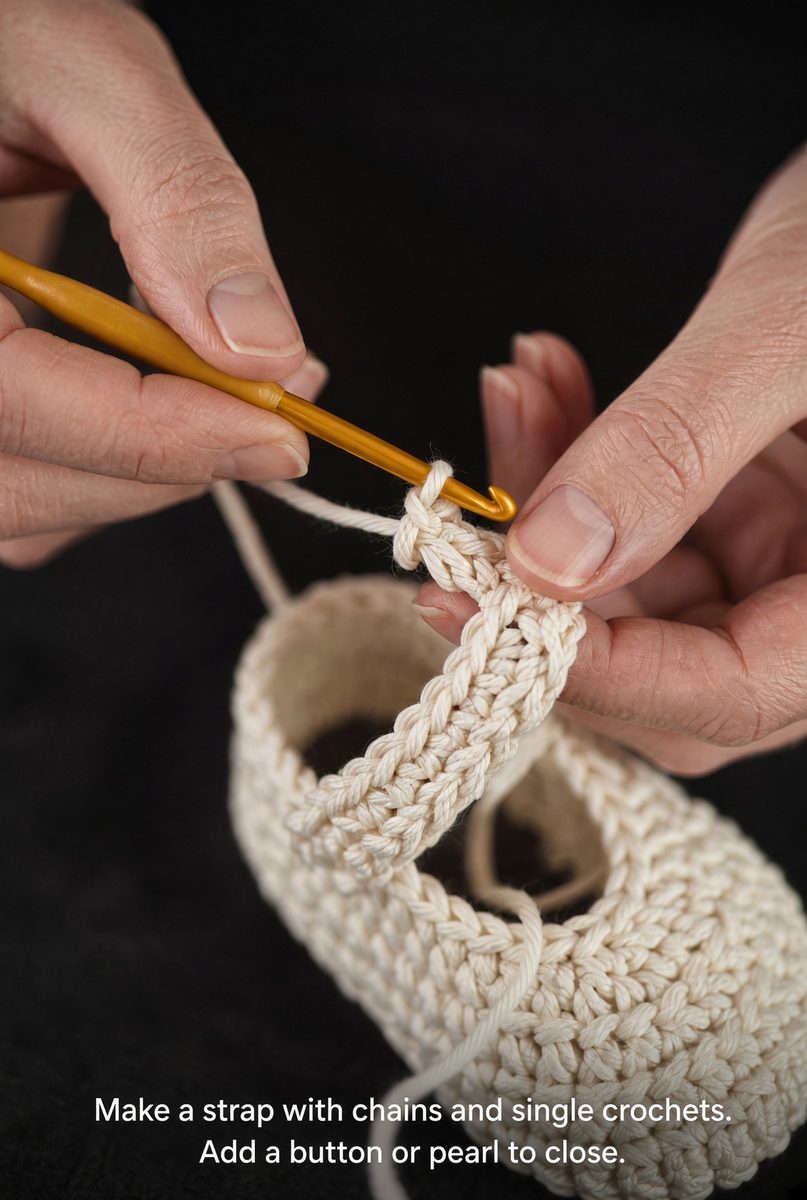
Many patterns benefit from a simple strap or button closure to keep the shoe in place. These additions provide extra stability for active infants. When learning how to crochet baby shoes, mastering these small details adds both function and charm to the final product.
Step 8: Compare the Pair as It Takes Shape
Matching height, curvature, stitch direction and overall appearance
It is helpful to hold both shoes side-by-side as the work progresses. Checking the height and curvature ensures that the pair looks uniform. Frequent comparison helps the maker catch any inconsistencies in stitch direction or size before the project is finished.
Assembling Pieces and Finishing Crochet Baby Shoes Neatly
Proper assembly turns a collection of yarn pieces into a professional-looking pair of shoes. Following a crochet baby shoes pattern requires attention to detail during these final stages to ensure the result is both durable and beautiful.
Step 9: Join Separate Crochet Pieces
Aligning soles, uppers, straps and other components before sewing
Before picking up your needle, lay out all components to ensure they match perfectly. Proper alignment prevents the fabric from twisting or pulling unevenly once the pieces are joined.
Using a yarn needle and matching yarn for secure, discreet joins
Use a blunt-tipped yarn needle to sew the pieces together. Always select a matching yarn color to keep the seams nearly invisible and professional.
Step 10: Hide Ends and Reinforce Stress Points
Weaving in ends securely on the inside of the shoe
Tuck all loose yarn tails into the interior of the shoe. Weaving them through the back of existing stitches keeps the exterior surface clean and prevents the ends from unraveling.
Reinforcing straps, seams and areas that may receive extra movement
Areas like straps and heel seams endure the most tension during wear. Reinforce these spots with a few extra passes of yarn to ensure the shoes remain intact during active play.
Step 11: Finish the Edges
Using slip stitches, single crochet or another neat edging technique
A clean border adds a polished touch to any design. You can use a simple row of slip stitches or single crochet to create a firm, attractive edge.
Preventing rough loops, loose tails and uneven borders
Keep your tension consistent while working around the openings. This practice prevents the fabric from becoming wavy or creating uncomfortable, rough loops against a baby’s skin.
Step 12: Shape and Inspect the Finished Pair
Gently arranging the fabric without overstretching it
Once the assembly is complete, gently mold the shoes into their final shape. Avoid pulling the fabric too hard, as this can distort the structure of your crochet baby shoes pattern.
Checking symmetry, flexibility, loose threads and overall comfort
Perform a final quality check to ensure the pair is ready for use. Use this checklist to verify your work:
- Ensure both shoes are identical in size and shape.
- Check that the fabric remains flexible for tiny feet.
- Trim any remaining loose threads carefully.
- Confirm that no knots or hard edges exist inside.
Taking the time to inspect your work ensures that the final product is safe, comfortable, and ready to be worn or gifted.
Personalizing Handmade Baby Shoes With Safe Details
Adding unique touches to handmade baby shoes transforms them into one-of-a-kind treasures. When selecting crochet baby accessories to enhance a design, crafters should prioritize both visual appeal and the safety of the infant.
Adding Crocheted Bows, Flowers and Appliqués
Using flat handmade embellishments that complement the shoe design
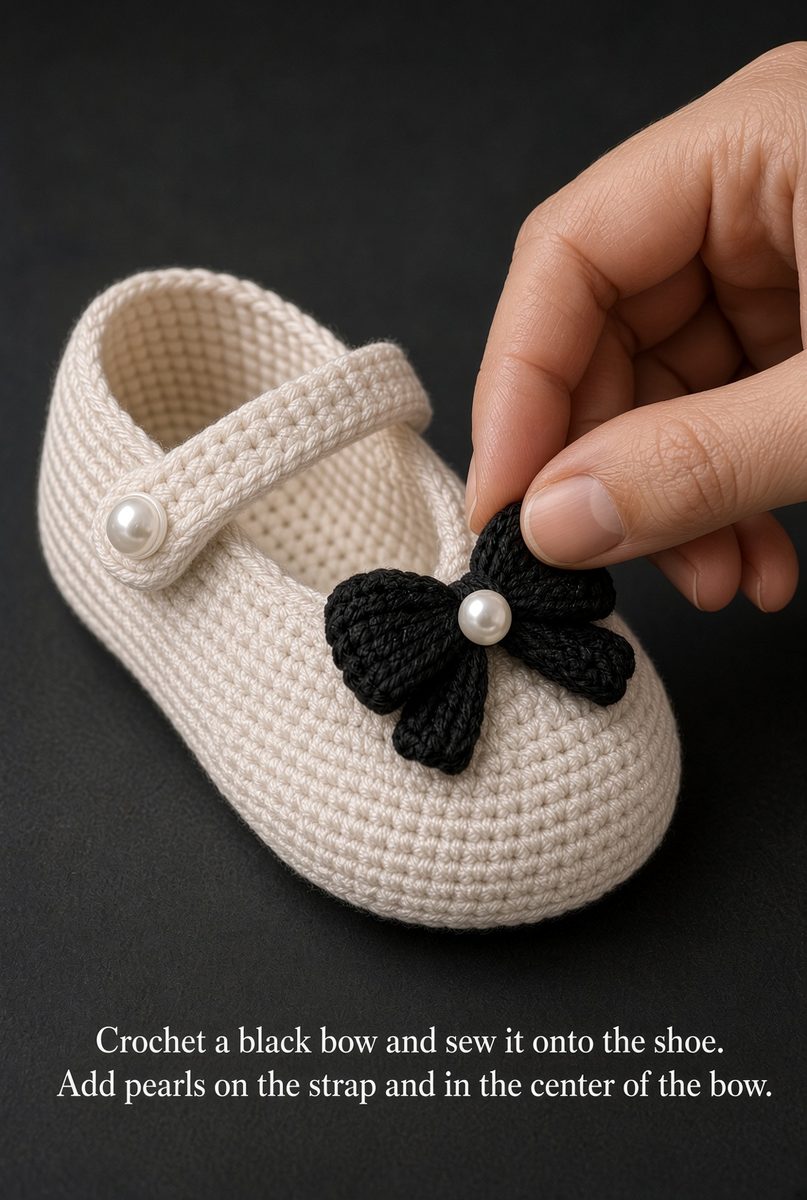
Flat crocheted motifs are ideal for decorating footwear because they do not interfere with a baby’s movement. A small, delicate flower or a simple bow adds whimsical charm without overwhelming the tiny structure of the shoe. These soft additions maintain the comfort of the yarn while providing a polished, professional finish.
Choosing Buttons, Beads and Other Decorative Elements Carefully
Understanding why detachable small parts can create choking hazards
While buttons and beads may look beautiful, they require extreme caution. Any small, detachable part poses a significant choking hazard if it becomes loose during play. It is best to avoid hard plastic or metal components that could easily detach from the fabric.
Making Decorations Secure or Leaving Them Off
Attaching details firmly and examining them before gifting or wearing
If a crafter chooses to include decorative elements, they must ensure every piece is anchored with heavy-duty thread. A quick tug test helps verify that the item remains firmly in place. When in doubt, it is safer to omit the decoration entirely or use stitched embroidery to mimic the look of a button or bead.
Creating Coordinated Sets
Pairing crochet baby shoes with a hat, blanket, bib or matching accessory
Many crafters enjoy building a complete gift by pairing shoes with other crochet baby accessories. A matching hat or a soft, textured bib creates a cohesive look that parents truly appreciate. These coordinated sets make for a thoughtful and practical gift that stands out at any baby shower.
Safety, Fit, Care and Gift Presentation
Preparing your handmade baby shoes for use or gifting involves careful inspection and thoughtful presentation. Taking these final steps ensures that your project remains both a safe accessory and a lasting memory for the family.
Inspecting Crochet Baby Shoes Before Use
Looking for loose yarn, open seams, rough edges and detachable pieces
Before a baby wears the shoes, perform a thorough safety check. Gently tug on all ends to ensure they are securely woven into the fabric. Check every seam to confirm there are no gaps where tiny toes might catch.
Run your fingers along the inside and outside to identify any rough edges or knots. If you added decorative elements, verify that they are attached firmly enough to withstand a curious baby’s pull.
Using the Shoes Appropriately
Following caregiver supervision and avoiding use when the fit is restrictive
Always ensure that an adult is present while the baby wears the footwear. If the shoes feel too tight or leave marks on the skin, remove them immediately to prevent discomfort or circulation issues.
Keeping decorative elements away from babies who can pull or mouth them
Babies explore the world through their hands and mouths. If you have included buttons or beads on your handmade baby shoes, monitor the child closely to ensure these items do not become choking hazards.
Washing and Storing Handmade Baby Shoes
Following the yarn care instructions and drying the shoes thoroughly
Proper maintenance keeps the fibers soft and clean. Always follow the specific care instructions provided by the yarn manufacturer, as some materials require hand washing while others are machine washable.
- Use a gentle detergent suitable for delicate items.
- Avoid harsh chemicals that might irritate sensitive skin.
- Lay the shoes flat on a clean towel to air dry completely.
Storing them clean and dry to protect their shape and texture
When the shoes are not in use, store them in a cool, dry place. Keeping them away from direct sunlight helps prevent the colors from fading over time.
Giving Crochet Baby Shoes as a Shower Gift or Keepsake
Pairing the shoes with a thoughtful note and care guidance
When gifting handmade baby shoes, include a small card with washing instructions. This simple gesture helps the recipient maintain the quality of your work for a longer period.
Preserving sentimental value after the newborn outgrows them
These items often become cherished family heirlooms. Encourage the parents to keep them in a memory box once the baby outgrows them, preserving the love stitched into every row.
Conclusion
Crafting crochet baby shoes offers a unique way to blend soft yarn with artistic expression. These projects rely on cozy stitches and careful shaping to ensure comfort for a newborn. Every pair serves as a testament to the time and love invested in handmade gifts.
Quality remains the top priority when making these items. Checking for secure construction and safe decorations ensures that each piece is ready for little feet. These crochet baby accessories provide warmth and style while meeting the highest standards of safety.
Thoughtful design choices transform simple materials into beautiful keepsakes. Parents often cherish these items long after a child outgrows them. They represent a special milestone in a baby’s early life.
Selecting the right patterns and colors allows for endless creativity. Whether creating a gift for a shower or a personal memento, these crochet baby accessories stand out for their charm. Every stitch contributes to a durable and attractive final product.
Sharing handmade items brings joy to both the maker and the recipient. These crochet baby shoes remain a timeless choice for anyone looking to provide a meaningful and practical gift. Start a new project today and enjoy the process of creating something truly special.
FAQ
What type of yarn is best for a baby shoes crochet pattern?
It is essential to choose soft, breathable, and washable yarn for crochet baby shoes. Popular options such as Lion Brand Baby Soft or Bernat Baby are excellent choices because they are gentle on a newborn’s sensitive skin and can withstand the frequent cleaning required for infants. Using high-quality materials ensures the handmade baby shoes remain a comfortable and durable keepsake.
Are easy crochet baby shoes suitable for those new to the craft?
Yes, many designs are perfect for beginners who are just learning how to crochet baby shoes. Most easy crochet baby shoes rely on foundational stitches like single crochet for structure and half double crochet for soft height. By following a clear baby shoes crochet pattern, a beginner can successfully create a charming gift while practicing essential techniques like increasing and decreasing.
What safety precautions should be taken with crochet baby accessories?
Safety is the top priority when crafting crochet baby accessories. It is vital to avoid using small, detachable decorations like buttons or beads, as these can become choking hazards if they pull loose. Instead, use crocheted bows or flowers that are sewn firmly onto the shoe. Caregivers should always supervise the baby while they are wearing the shoes and inspect them regularly for any loose threads or open seams.
How do I ensure baby crochet shoes have a comfortable and secure fit?
To achieve a nonrestrictive fit, a crafter should focus on maintaining even tension and ensuring the soles remain flexible and flat. It is helpful to compare the two shoes frequently throughout the construction process to guarantee symmetry in height and curvature. This ensures the shoes stay securely on the infant’s feet without being too tight or uncomfortable.
What is the difference between crochet baby booties and low-cut shoe styles?
Crochet baby booties typically feature a higher ankle design to provide extra warmth and coverage, which is perfect for colder climates. In contrast, low-cut styles, such as Mary Jane-inspired designs, offer a lighter feel and are often used as decorative handmade baby shoes for special occasions or warmer weather. Both styles are popular choices within a crochet baby shoes pattern and can be customized with various colors and textures.
How should I wash and store finished crochet baby shoes?
One should always follow the specific yarn care instructions found on the brand’s label. Generally, it is best to hand-wash baby crochet shoes with a mild detergent and lay them flat to dry to preserve their delicate shape. Storing them in a clean, dry place protects the texture and ensures they remain a beautiful memento long after the newborn outgrows them.
Can I personalize a crochet baby shoes pattern for a gift?
Absolutely! Personalizing handmade baby shoes is a wonderful way to create a unique baby shower gift. You can add flat appliqués, experiment with gender-neutral palettes, or create a coordinated set by pairing the shoes with other crochet baby accessories like a matching hat or blanket. Adding a thoughtful note with care instructions makes the gift even more special for the new parents.