
Have you ever wondered how a charming garment can combine creativity with timeless feminine style? A handmade crochet dress beautifully showcases personal artistry while maintaining an elegant silhouette.
More patterns, ideas, and inspiration for crochet lovers, all in one place.
A brief promotional video will be shown before the redirect. By continuing, you accept our Terms and Conditions.
This specific project highlights how soft hues and intricate loops create a flattering look for any season.
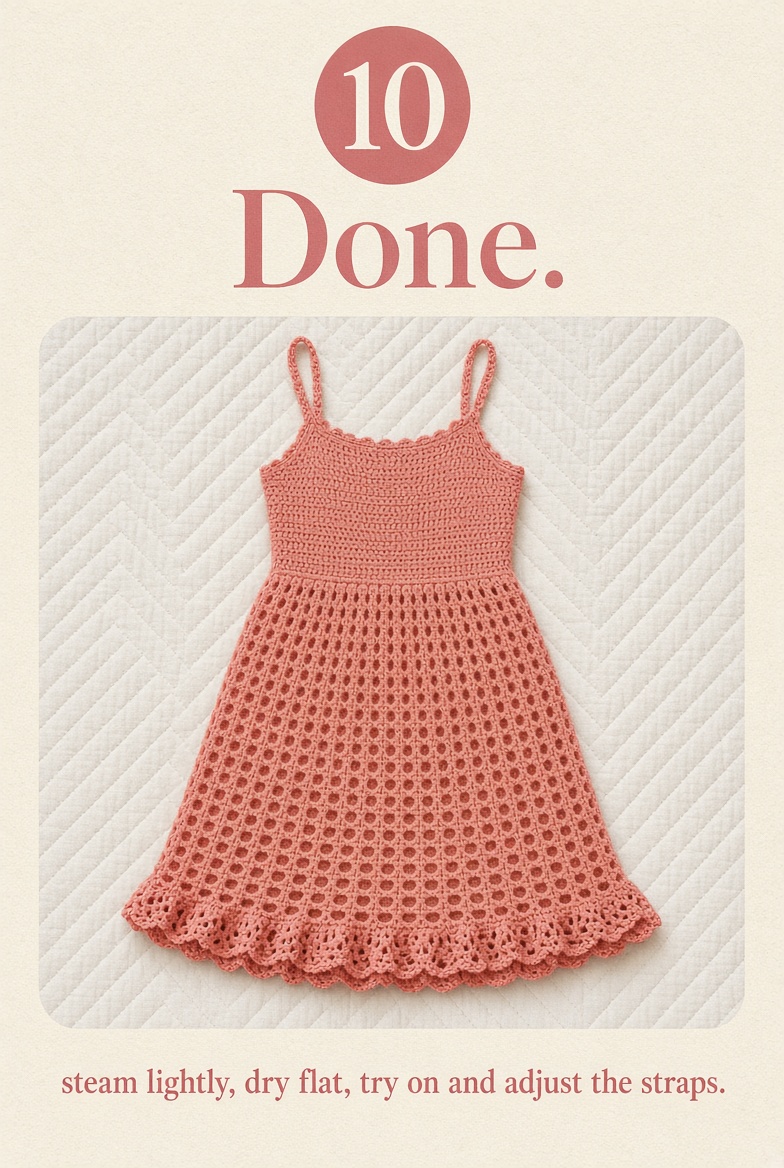
Many enthusiasts find that learning how to crochet a pink dress provides a rewarding challenge. Whether you are preparing for a sunny afternoon or a special evening event, this pink crochet dress serves as a versatile staple.
A brief promotional video will be shown before the redirect. By continuing, you accept our Terms and Conditions.
It brings a touch of warmth and texture to your wardrobe that store-bought items simply cannot replicate.
Mastering a crochet pink dress allows you to customize the fit and length to suit your body perfectly. This guide explores the essential steps to plan, shape, and finish your own beautiful creation. You will discover how to select the right yarn and maintain your finished piece for years of enjoyment.
Key Takeaways
- Discover the joy of creating custom, high-quality apparel.
- Learn essential techniques for shaping and assembly.
- Understand how to select materials for optimal comfort.
- Explore styling tips for various social occasions.
- Gain confidence in maintaining your unique fiber art.
Envisioning the Pink Crochet Dress
A beautiful garment begins long before the first stitch is pulled through the yarn. Visualizing the final result helps crafters select the right materials and techniques to bring their creative ideas to life. Whether you are searching for a specific pink crochet dress pattern or designing from scratch, clarity is essential.
Defining the Pink Color and Overall Mood
The choice of pink sets the entire tone for the piece. Soft, dusty rose tones often evoke a romantic and vintage mood, while vibrant fuchsia shades project confidence and modern energy. Selecting the right hue ensures that the finished pink crochet clothing aligns perfectly with the intended occasion.
Choosing the Dress Shape and Length
The silhouette dictates how the fabric moves and how the wearer feels. A playful mini length offers a youthful, breezy vibe perfect for summer days. Conversely, a flowing maxi length creates an elegant and sophisticated presence that commands attention at any event.
Creating a Feminine, Charming Silhouette
A well-fitted design highlights the natural curves of the body while maintaining comfort. By balancing the weight of the yarn with the drape of the stitches, a creator can achieve a flattering look. This balance is the secret to making a handmade piece feel professional and polished.
Using Texture, Openwork, and Handmade Details
Texture adds depth and visual interest to any project. Incorporating varied stitch patterns creates a dynamic surface that catches the light beautifully. Consider these elements to enhance your design:
- Delicate openwork for breathability and style.
- Raised bobbles or cables for tactile appeal.
- Intricate shell borders for a finished edge.
Making the Design Feel Unique
Personal touches transform a standard pink crochet dress pattern into a one-of-a-kind heirloom. Adding custom motifs or decorative panels ensures that your pink crochet clothing stands out from mass-produced alternatives. These thoughtful handmade details reflect the personality of the maker and provide a truly bespoke experience.
Planning a Pink Crochet Dress Pattern
Before picking up your hook, you must map out the structure of your handmade garment. A well-organized pink crochet dress pattern serves as the blueprint for your entire creative journey. By establishing a clear plan, you ensure that every stitch contributes to a beautiful and wearable final result.
Taking Accurate Body Measurements
Success begins with knowing your exact dimensions. You should measure your bust, waist, and hips carefully to ensure the fabric fits your frame perfectly. Taking the time to record these numbers prevents frustration later in the process.
- Measure the fullest part of your bust.
- Identify your natural waistline for proper placement.
- Check your hip circumference for a comfortable skirt fit.
- Determine your desired total length from shoulder to hem.
Deciding Between a Fitted, A-Line, or Relaxed Shape
The silhouette you choose defines the character of your dress. A fitted design hugs the body closely, while an A-line shape offers a classic, flattering flare. Alternatively, a relaxed fit provides a breezy, casual feel that is perfect for warm weather.
Planning the Bodice, Waist, Skirt, and Hem
Breaking the project into smaller sections makes the work feel manageable. You should decide where the waist will sit and how the skirt will transition from the bodice. This crochet dress tutorial approach helps you maintain consistent shaping throughout the construction.
Considering Ease, Movement, and Layering
Crochet fabric often has a unique weight and stretch that you must account for during planning. Adding “ease” ensures the garment is not too tight, allowing for natural movement. You should also consider if you plan to wear a slip or lining underneath, as this affects the final fit.
Matching the Design to the Intended Occasion
The final look depends heavily on where you intend to wear your creation. Learning how to crochet a pink dress for a formal event requires different structural choices than making one for a beach day. Thoughtful planning ensures your finished piece is both stylish and appropriate for your specific needs.
Selecting Yarn, Hooks, and Crochet Techniques
The foundation of any successful crochet dress lies in the harmony between yarn choice and stitch selection. Selecting the right supplies ensures that the final garment feels as good as it looks. A thoughtful approach to these technical details transforms a simple project into a professional-grade piece of wearable art.
Choosing Suitable Yarn for Pink Crochet Clothing
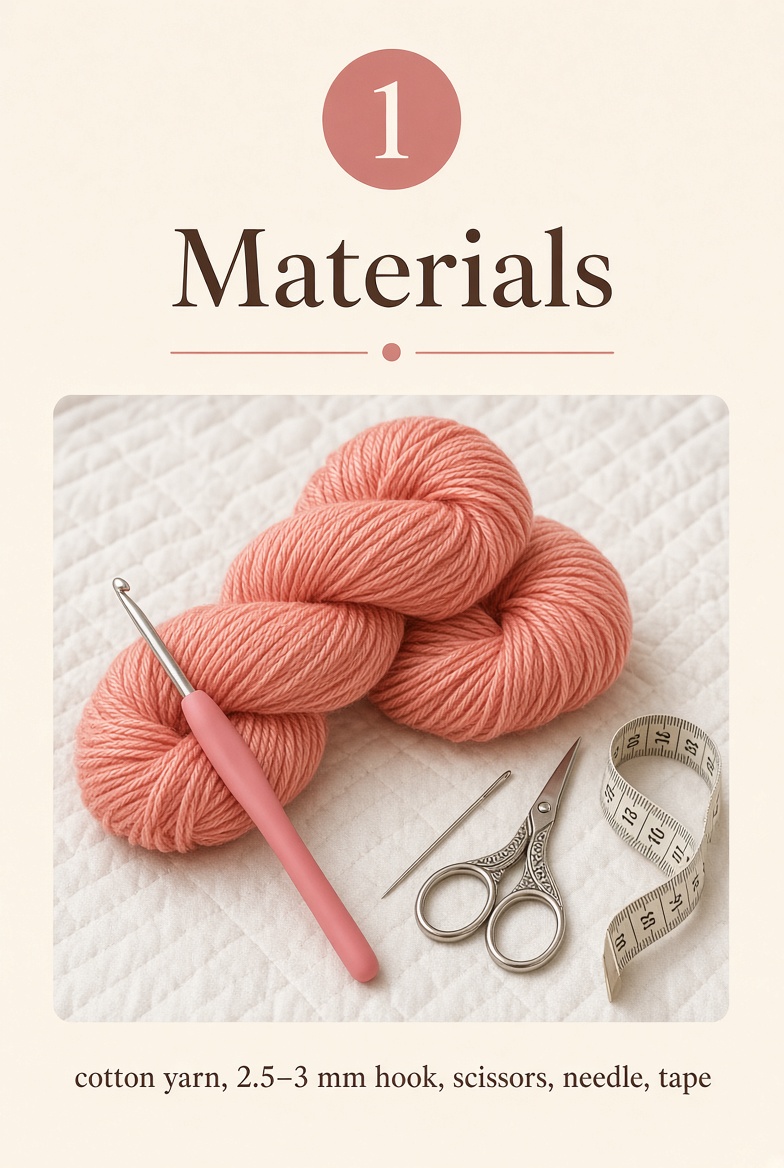
When working with pink hues, the fiber content significantly impacts the final aesthetic. Cotton or bamboo blends are excellent choices for pink crochet clothing because they offer a crisp stitch definition and a cool touch against the skin. These natural fibers provide the breathability needed for warm-weather wear.
Synthetic blends like acrylic or nylon can add durability and a soft sheen to the fabric. Crafters should select a yarn weight that matches the intended season of the garment. A lightweight fingering or sport-weight yarn often creates the most elegant drape for a summer pink crochet dress.
Balancing Drape, Structure, Comfort, and Opacity
Achieving the perfect balance between these four elements is essential for a flattering fit. Drape allows the fabric to flow gracefully over the body, while structure ensures the garment maintains its intended shape. Comfort remains a priority, as the fabric must feel soft and non-restrictive during movement.
Opacity is equally important when designing a garment that provides appropriate coverage. If the chosen stitch pattern is too open, the wearer may need a lining or a slip. Choosing a slightly thicker yarn or a denser stitch pattern can help manage opacity without sacrificing style.
Making a Gauge Swatch Before Starting
A gauge swatch is the most critical step in ensuring the garment fits correctly. It allows the maker to verify that their tension matches the pattern requirements. Consistent tension prevents the fabric from becoming too stiff or overly loose over time.
By measuring the stitches per inch, the creator can adjust their hook size to achieve the desired density. This simple practice saves time and prevents frustration during the assembly process. It is the best way to guarantee that the final crochet dress fits perfectly.
Using Basic Stitches for a Smooth Foundation
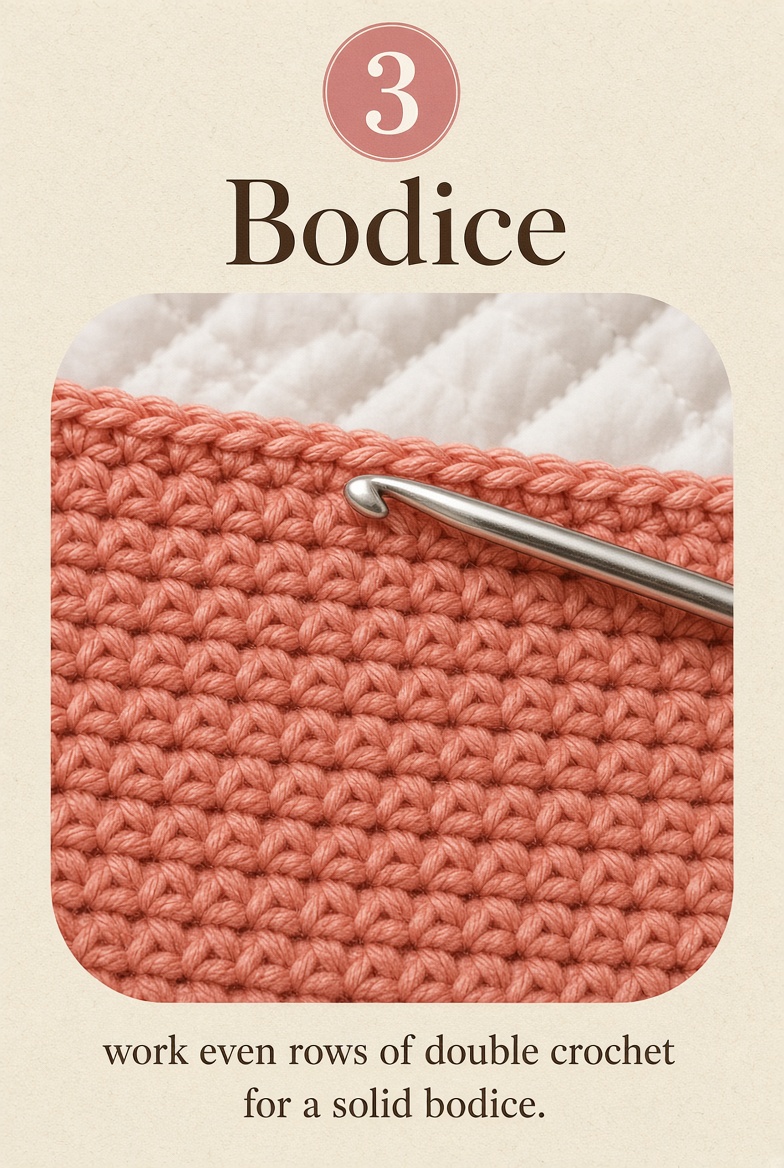
Basic stitches like the single or half-double crochet provide a clean, uniform base for any garment. These stitches create a smooth foundation that highlights the beauty of the yarn color. They are ideal for areas requiring extra stability, such as the bodice or waistline.
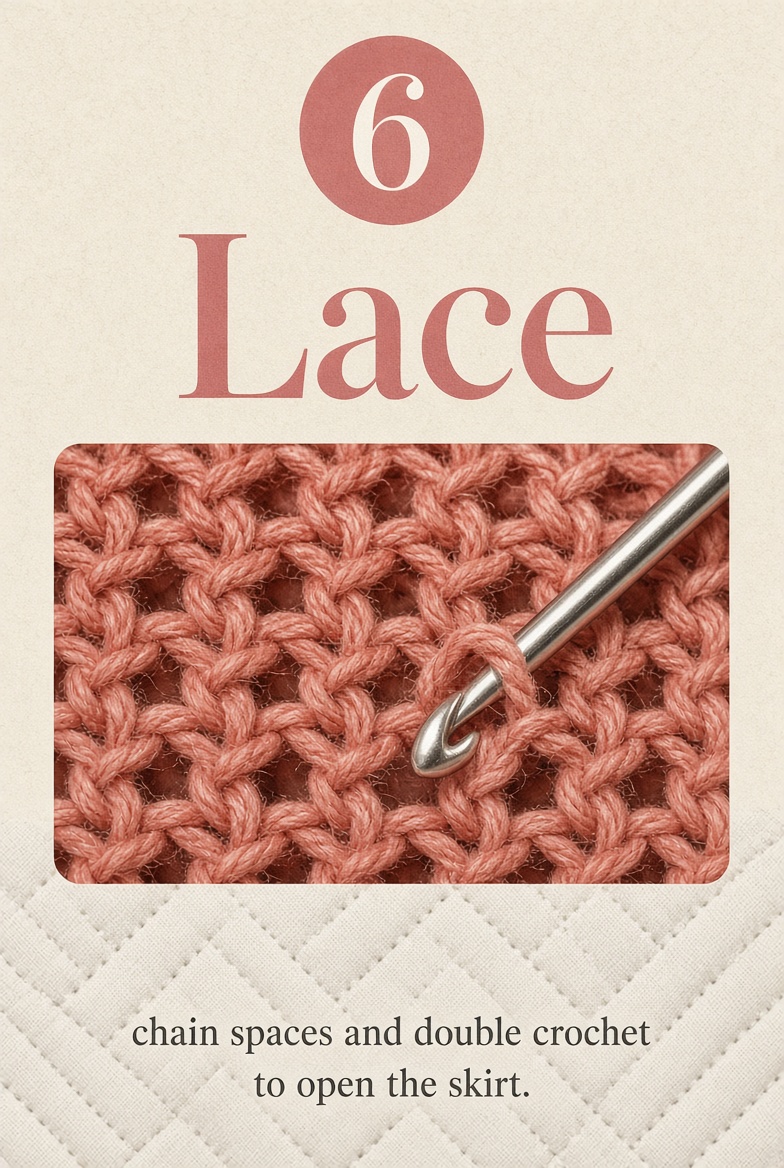
Adding Textured Stitches and Openwork
Incorporating textured stitches adds visual interest and depth to the fabric. Techniques like bobbles or post stitches create a sophisticated look that elevates pink crochet clothing. Openwork patterns, such as shells or lace, introduce a delicate, airy quality that is perfect for skirts or sleeves.
Combining Motifs, Panels, or Continuous Rounds
The construction method dictates the final flow of the garment. Makers can choose from several techniques to achieve their vision:
- Motifs: Joining individual squares or circles creates a vintage, bohemian aesthetic.
- Panels: Working in flat panels allows for precise shaping at the sides and seams.
- Continuous Rounds: This method minimizes seams and creates a seamless, fluid silhouette.
Building the Dress From Foundation to Hem
Creating a custom-fit garment is a rewarding journey that starts at the foundation and flows down to the hem. Following a reliable crochet dress tutorial ensures that every stitch contributes to a professional result. This process requires patience, but the final outcome is well worth the effort.
Starting the Bodice With an Even Foundation
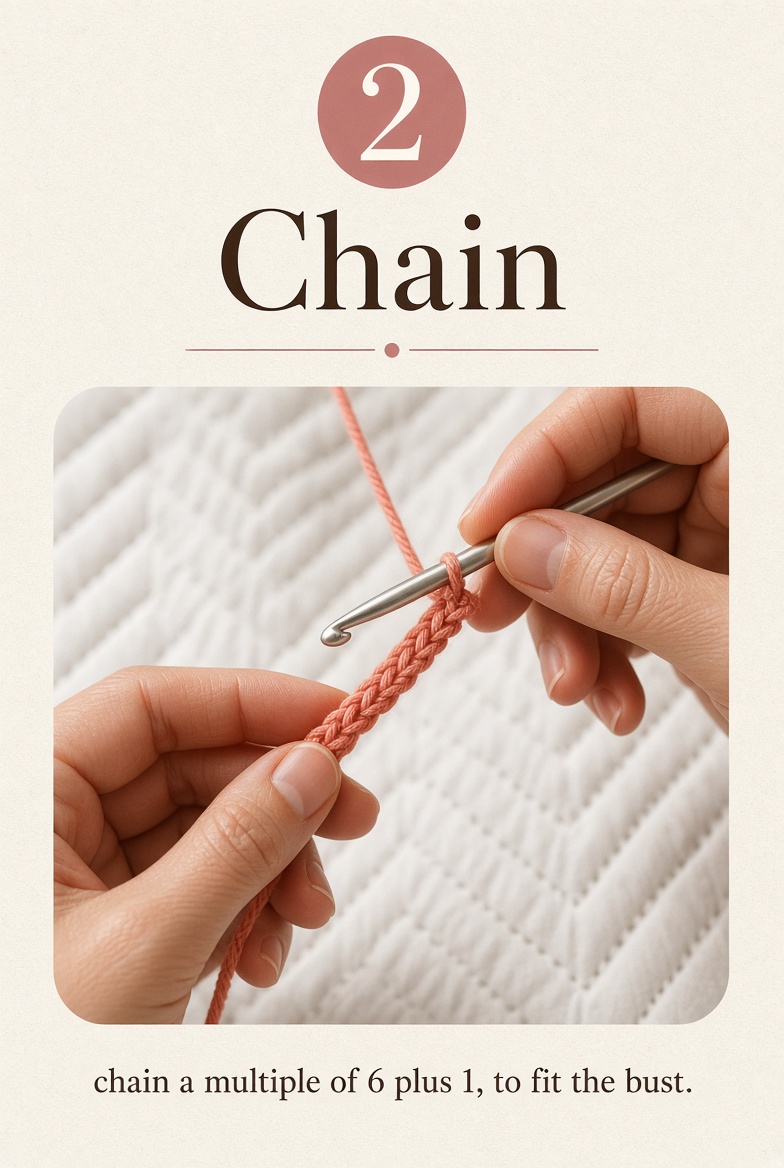
The bodice serves as the anchor for the entire garment. Starting with an even foundation chain or a foundation stitch technique prevents the bottom edge from pulling or puckering. Consistency here is vital for a smooth transition into the main body of the dress.
Working the Main Fabric and Maintaining Consistent Tension
Maintaining steady tension throughout the project is the secret to a uniform look. If the tension fluctuates, the fabric may appear uneven or distorted in certain areas. Using the same hook size and grip style throughout the process helps keep the stitches looking perfectly balanced.
Shaping the Bust, Waist, and Hips
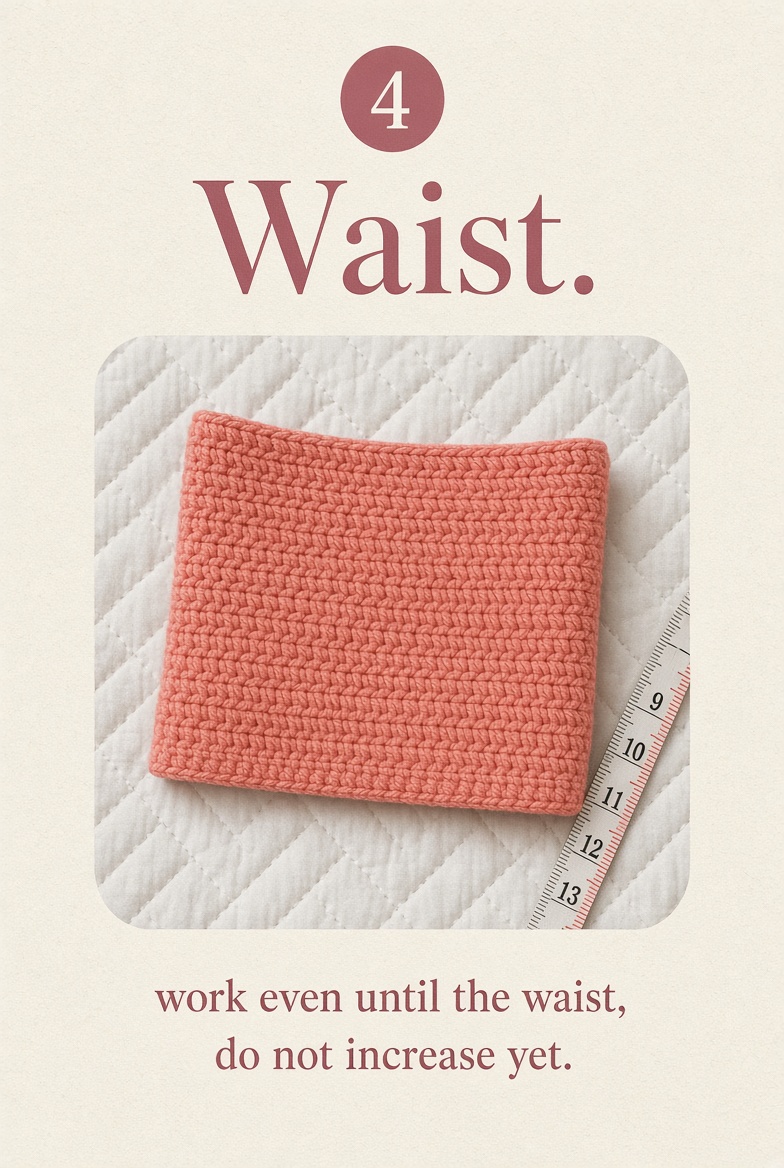
Proper shaping transforms a simple tube of fabric into a flattering silhouette. By strategically placing increases and decreases, the garment will follow the natural curves of the body.
Adding Increases and Decreases Without Distorting the Texture
When shaping, it is important to integrate increases and decreases into the existing stitch pattern. This keeps the texture consistent and prevents unsightly gaps. Careful placement ensures that the design remains fluid and professional.
Checking the Fit During Construction
Regularly trying on the piece is the best way to ensure a perfect fit. This allows for small adjustments before the garment is fully assembled. Learning how to crochet a pink dress effectively means being willing to tweak the pattern as you go.
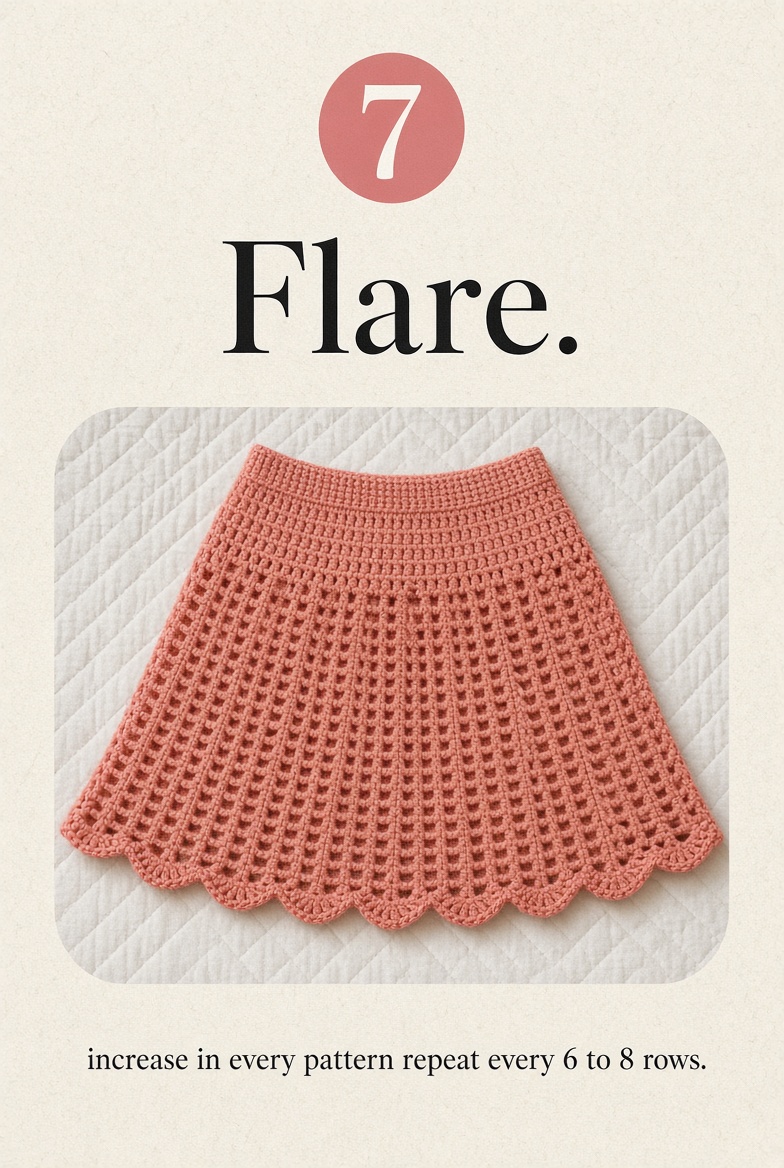
Extending the Skirt to the Desired Length
Once the bodice and waist are shaped, the skirt can be worked to the preferred length. Whether aiming for a mini, midi, or maxi style, keeping the stitch count consistent is essential. A well-planned pink crochet dress pattern will guide you through these transitions smoothly.
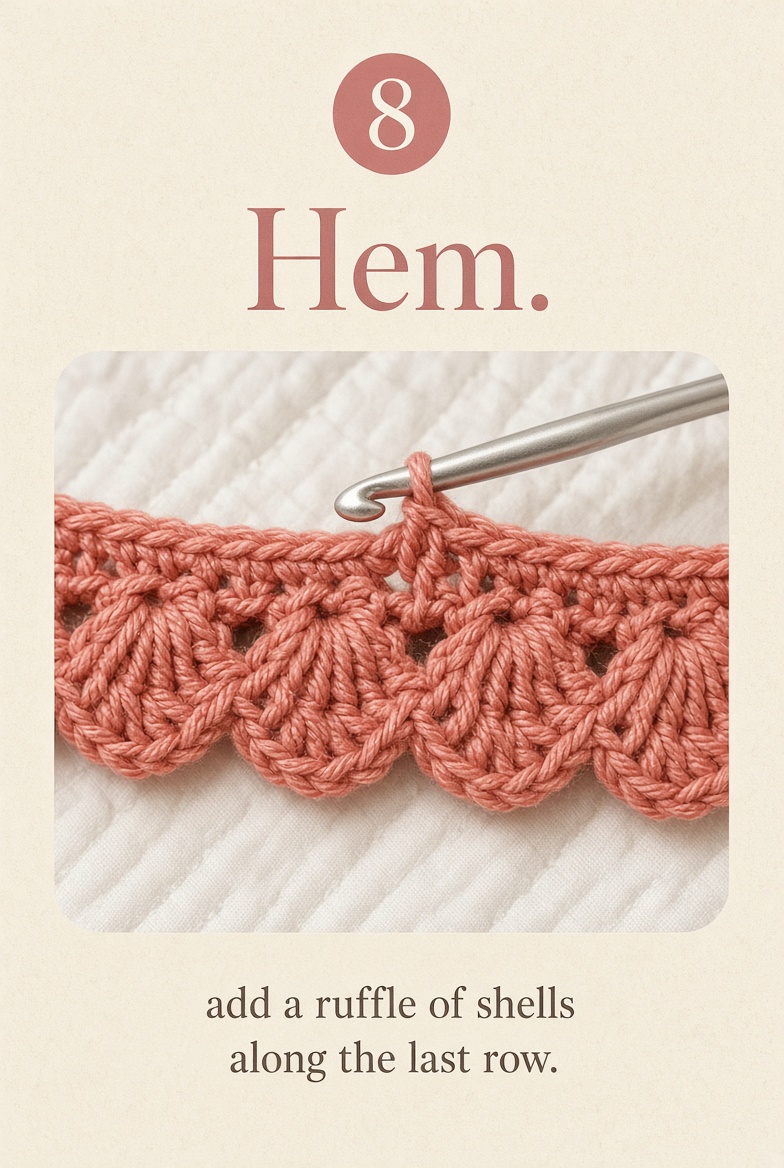
Creating a Balanced Hemline With Texture or Lace
The hem provides the final touch to the overall design. Adding a decorative lace border or a textured stitch pattern creates a beautiful, weighted finish. Consider these options for a polished look:
- Delicate shell stitches for a soft, feminine edge.
- Intricate picot borders for added detail.
- Simple ribbed finishes for a modern, clean aesthetic.
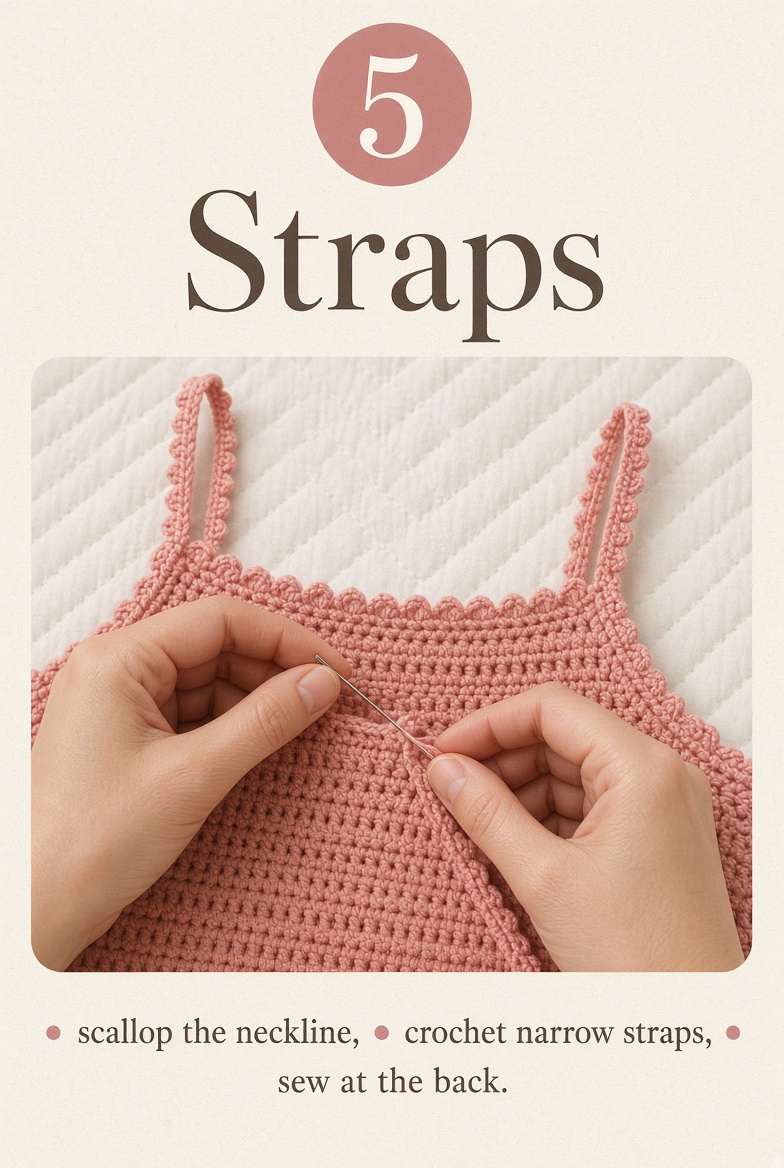
Shaping the Neckline, Armholes, and Sleeves
The final silhouette of a crochet pink dress depends heavily on how the neckline and armholes are shaped. These structural elements define the overall aesthetic and ensure the garment moves gracefully with the wearer. By focusing on these details, a crafter elevates their work into high-quality crochet fashion.
Designing a Neckline That Complements the Dress
A well-chosen neckline frames the face and balances the visual weight of the bodice. Whether opting for a classic scoop, a romantic sweetheart, or a modern square cut, the design should harmonize with the intended style of the piece. Thoughtful placement of decreases creates a smooth, professional curve that avoids jagged edges.
Forming Comfortable Armholes
Comfortable armholes are essential for ensuring the garment does not restrict natural movement. Designers often use a gentle curve when binding off stitches to prevent the fabric from digging into the underarm area. A properly shaped armhole allows the crochet pink dress to drape naturally across the shoulders.
Adding Sleeves, Straps, or a Sleeveless Finish
The choice between sleeves, straps, or a sleeveless finish significantly alters the utility of the garment. Each option requires specific attention to tension to ensure the fabric remains stable during wear.
Keeping Both Sides Symmetrical
Maintaining symmetry is vital for a polished look. Crafters should track their stitch counts carefully on both the left and right sides of the bodice. Using stitch markers helps ensure that decreases or increases occur at the exact same intervals.
Adjusting Coverage for Summer Wear or Layering
Versatility is a hallmark of modern crochet fashion. Consider these adjustments for different seasons:
- Widen straps to provide more support for heavier yarn weights.
- Use a higher neckline for a modest look that works well for layering.
- Incorporate delicate picot edges for a light, airy summer aesthetic.
- Design deeper armholes to accommodate blouses worn underneath during cooler months.
Reinforcing Areas That Need Extra Support
High-stress areas, such as the shoulder seams and underarm points, often require additional reinforcement to maintain their shape over time. Working a row of single crochet stitches along these edges provides necessary structural integrity. This simple step prevents the fabric from stretching out of shape, ensuring the garment remains a staple in any wardrobe.
Assembling and Finishing the Handmade Crochet Dress
Finishing a crochet dress is where the magic happens, turning loose ends into a polished masterpiece. This stage requires patience, but the results are well worth the effort for a professional appearance.
“The beauty of a handmade garment lies in the details that no machine can replicate.” — Anonymous
Joining Panels, Motifs, or Garment Sections Neatly
When working with separate panels or motifs, the method of joining is vital for structural integrity. A mattress stitch is often the best choice for a seamless look that mimics the natural flow of the fabric.
Alternatively, a slip stitch join can add a decorative ridge if that fits the design aesthetic. Always ensure the tension remains consistent across the seams to prevent puckering or stretching.
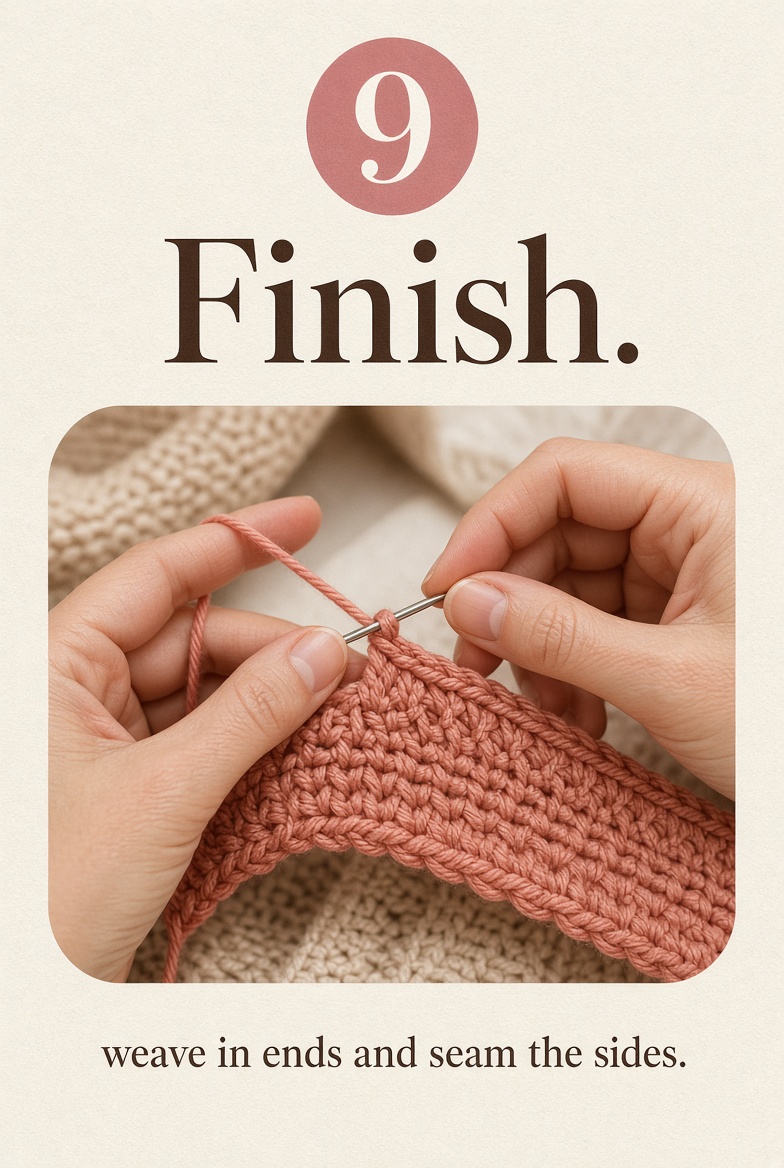
Weaving in Ends Without Creating Visible Bulges
Properly securing yarn ends is essential for a clean finish on any handmade crochet dress. Instead of simply knotting the yarn, weave the tail through the back of the stitches in multiple directions.
This technique locks the yarn in place and prevents it from unraveling over time. By splitting the yarn ply slightly, the tail becomes nearly invisible within the fabric structure.
Edging the Neckline, Armholes, and Hem
Adding a border to the openings provides a clean, finished look that prevents the edges from curling. A simple single crochet or crab stitch often works wonders for a crisp, professional edge.
Using Borders to Improve Shape and Polish
Borders do more than just look pretty; they provide necessary structure to the garment. A firm border can help maintain the shape of a neckline or hem, ensuring the crochet dress hangs beautifully while worn.
Blocking the Dress to Refine Its Shape
Blocking is the secret step that transforms a project into a high-quality garment. By gently steaming or wetting the piece and pinning it to the correct dimensions, the stitches even out and the drape improves significantly.
Testing Colorfastness and Handling the Pink Yarn Carefully
Pink yarn can sometimes be delicate, especially when exposed to water or heat. Before blocking, always test a small swatch for colorfastness to ensure the vibrant hue does not bleed.
Handle the fabric with gentle care during this process to avoid stretching the fibers. Using a mild detergent designed for delicate fibers will keep the color bright and the texture soft.
Adding Optional Closures, Linings, or Modest Layers
Depending on the stitch pattern, you might consider adding a lining for extra comfort and opacity. A simple slip or a sewn-in fabric layer can make the garment much more versatile for different occasions.
- Sewing in a lightweight silk or cotton lining.
- Adding small, discreet snaps or buttons for closures.
- Using a camisole for a modest, layered look.
Following this crochet dress tutorial ensures that every detail is considered. These final touches elevate the piece from a simple project to a cherished wardrobe staple.
Fitting, Troubleshooting, and Caring for the Dress
Troubleshooting common issues is a vital step in perfecting your handmade creation. Whether you are working on a pink crochet dress or another intricate design, small adjustments often make a significant difference in the final fit.
Correcting Uneven Tension or Unwanted Stretch
Uneven tension often appears as tight or loose stitches that disrupt the fabric’s flow. If you notice these inconsistencies, try adjusting your grip on the yarn or switching to a different hook size. Consistent tension is the secret to a professional-looking crochet dress.
If the fabric feels too loose or prone to stretching, consider adding a thin elastic thread along the waist or neckline. This simple trick provides extra support and helps the garment maintain its intended shape over time.
Adjusting Length, Width, and Shaping During the Process
It is normal to need minor adjustments while building your pink crochet clothing. If the bodice feels too wide, you can incorporate subtle decreases to pull the fabric closer to the body. Always try on the piece periodically to ensure the length hits exactly where you desire.
If the skirt feels too short, adding an extra row of decorative stitches or a border can provide the necessary length. Measuring frequently prevents the need for major rework later in the project.
Checking Seams, Edges, and High-Stress Areas
Before wearing your garment, inspect all seams and connection points for durability. High-stress areas, such as under the arms or at the shoulders, often require extra reinforcement. Double-knotting your yarn ends ensures that the structure remains secure during movement.
Check the edges for any loose loops that might snag on jewelry or furniture. A clean, finished edge not only looks better but also prevents the fabric from unraveling.
Washing, Drying, and Storing Crochet Pink Dress Fabric
Proper care extends the life of your handmade items significantly. Always hand wash your crochet dress in cool water using a gentle detergent designed for delicate fibers.
- Avoid wringing the fabric to prevent distortion.
- Lay the garment flat on a clean towel to absorb excess moisture.
- Store the item folded in a drawer rather than hanging it to avoid stretching.
Protecting the Color, Texture, and Handmade Details
To keep the vibrant hue of your pink crochet clothing, keep the piece out of direct sunlight when drying. Harsh UV rays can fade delicate fibers over time. Gentle handling preserves the unique texture and intricate stitch patterns you worked so hard to create.
Reshaping the Garment After Cleaning
Crochet fabric often shifts slightly after a wash. While the garment is still damp, gently pull and pat it into its original dimensions on a flat surface. This process, known as blocking, ensures your pink crochet dress retains its intended silhouette every time you wear it.
Styling the Pink Crochet Dress for Every Occasion
Transforming your handmade crochet pink dress into a versatile wardrobe staple is easier than you might think. This garment serves as a blank canvas for your personal style, allowing you to transition from casual outings to formal events with just a few simple changes.
Pairing It With Accessories for Special Occasions
When attending a wedding or a garden party, you can elevate your crochet fashion by choosing refined accessories. A pair of metallic heels and a delicate clutch will instantly add a touch of sophistication to the intricate stitch work. Consider adding a statement necklace or gold hoop earrings to draw attention to the neckline and enhance the overall charm of the piece.
Creating a Light Summer-Day Outfit
For a relaxed afternoon in the sun, keep your look breezy and effortless. Pair your crochet dress with comfortable leather sandals and a wide-brimmed straw hat. This combination highlights the airy nature of the fabric while keeping you cool and stylish during warm weather.
Building an Elegant Everyday Look
You can easily adapt your outfit for a brunch date or a day at the office by focusing on balance. The key is to ground the delicate texture of the crochet with structured pieces that provide a polished finish.
Choosing Shoes, Bags, Jewelry, and Outer Layers
To achieve a professional yet creative aesthetic, try layering a tailored blazer over your dress. Pair this with ankle boots or loafers to add a grounded, modern feel. A structured leather tote bag works perfectly to carry your essentials while maintaining a clean, elegant silhouette.
Using Slips and Coordinating Layers With Open Crochet
Because crochet often features open patterns, choosing the right base layer is essential for comfort and modesty. A silk or cotton slip in a matching shade of pink creates a seamless, luxurious look. Alternatively, you can experiment with contrasting colors to make the intricate patterns of your crochet pink dress truly pop.
Adapting the Look Across Seasons and Dress Codes
Your handmade crochet dress is not limited to the warmer months. During the autumn, you can transition your favorite piece by adding these elements:
- Layering a fitted turtleneck underneath for added warmth.
- Pairing the dress with opaque tights and knee-high boots.
- Adding a chunky knit cardigan or a denim jacket for texture.
- Swapping delicate jewelry for bolder, metallic pieces.
By mastering these styling techniques, you ensure that your crochet fashion remains a functional and cherished part of your closet throughout the entire year.
Conclusion
Creating a pink crochet dress offers a unique way to express personal style through fiber arts. This project blends soft color palettes with intricate textures to produce a garment that feels both timeless and modern.
Success relies on careful planning and attention to detail during every stage of the process. Selecting the right yarn and maintaining consistent tension ensures the final piece drapes beautifully against the body. A well-made handmade crochet dress serves as a testament to the patience and skill invested by the maker.
Proper care and thoughtful styling transform this garment into a versatile staple for any wardrobe. Whether worn for a summer garden party or an elegant evening event, this piece highlights the beauty of custom crochet fashion. Each stitch reflects a commitment to quality and individual expression.
Readers are encouraged to experiment with different shades of pink and unique stitch patterns to make the design their own. Sharing these creations within the crafting community inspires others to pick up their hooks and start their own projects. Enjoy the process of building a wardrobe filled with meaningful, one-of-a-kind items.
What is the best type of yarn to use for pink crochet clothing?
When crafting a pink crochet dress, selecting the right fiber is crucial for both comfort and longevity. For a summer-ready handmade crochet dress, many designers recommend Lion Brand 24/7 Cotton or Hobbii Rainbow Cotton because they offer excellent stitch definition and breathability. If the goal is a softer, more elegant drape for crochet fashion, bamboo blends or lightweight acrylics like Caron Simply Soft provide a beautiful sheen that enhances the feminine charm of the pink hue.
Where can I find a reliable pink crochet dress pattern?
There are numerous resources for finding the perfect pink crochet dress pattern. Online platforms like Ravelry and Etsy feature diverse designs from independent creators such as Brittany Alice Crochet or Knits N’ Knots. For those who prefer visual guidance, a crochet dress tutorial on YouTube by experts like Toni Lipsey of TL Yarn Crafts can provide step-by-step instructions on how to crochet a pink dress from the initial foundation to the final hem.
How do I ensure my crochet pink dress has the right fit?
Achieving a flattering silhouette requires accurate body measurements and a consistent gauge. Before beginning any crochet dress project, it is essential to create a gauge swatch to match the designer’s tension. During the construction process, the maker should frequently try on the garment to check the shaping of the bust, waist, and hips. Using a flexible measuring tape from Dritz can help ensure that the pink crochet dress maintains symmetry and the desired ease for movement.
Can a handmade crochet dress be worn for formal occasions?
Absolutely! A pink crochet dress can be elevated for special events by incorporating intricate openwork, lace borders, and high-quality finishes. To make the garment look more professional, creators often add modest linings or coordinating slips from brands like SKIMS or Uniqlo. Pairing the finished crochet pink dress with elegant jewelry and a structured clutch turns a DIY project into a standout piece of crochet fashion suitable for weddings or garden parties.
What are the best techniques for finishing a pink crochet dress?
Professional finishing makes a significant difference in the look of pink crochet clothing. This includes neatly weaving in ends with a tapestry needle and using blocking mats from KnitPicks to refine the dress’s shape. Blocking helps even out the stitches and ensures the hem hangs correctly. Additionally, adding a clean border around the neckline and armholes using a smaller hook size can prevent stretching and give the handmade crochet dress a polished, boutique-quality appearance.
How should I wash and store a crochet pink dress to prevent damage?
To protect the color and texture of a pink crochet dress, it should be hand-washed in cool water using a gentle detergent like Woolite. Never wring the fabric; instead, roll it in a clean towel to remove excess moisture and lay it flat to dry on a ventilated surface. To maintain the integrity of the crochet dress, it should be folded neatly rather than hung on a hanger, as gravity can cause the handmade stitches to stretch over time.
Is it difficult to learn how to crochet a pink dress as a beginner?
While a full garment may seem intimidating, many beginners successfully complete their first pink crochet dress by choosing a pattern with a simple silhouette, such as an A-line or a shift dress. Following a comprehensive crochet dress tutorial allows a novice to learn essential skills like increasing, decreasing, and seaming in a manageable way. Starting with a medium-weight yarn and a comfortable ergonomic hook from Clover Armor can also make the learning process much smoother and more enjoyable.